











By Jeff Halstead, Ret. Chief of Police, Fort Worth, TX
- Public sources do not confirm a specific July 4 or World Cup terrorist plot, but they do point to elevated concern around major gatherings, symbolic holidays, and international sporting events.
- The most likely threat is a lone actor or small group targeting soft areas around events, not a highly coordinated foreign-directed attack.
- July 4, 2026 raises the stakes because Independence Day, America’s 250th anniversary, and the FIFA World Cup overlap.
- Agencies should focus on readiness: threat assessment, soft-target protection, redundant communications, counter-drone planning, active assailant response, hospital coordination, and preapproved messaging.
I don’t believe in creating panic. I believe in naming risk clearly enough that public safety leaders can act before an incident forces them to.
Federal authorities just announced charges in an alleged plot to attack and kill government officials and others attending the UFC Freedom 250 event at the White House. According to federal authorities, the alleged plan involved explosive drones, crowd movement, and sniper positions. The case remains an allegation, and all defendants are presumed innocent unless proven guilty.
In a previous piece, I warned that major symbolic events, holidays, and public gatherings create attractive conditions for attackers. This case does not prove an attack will happen on July 4 or during the FIFA World Cup. It does prove the threat is not theoretical.
This July 4th is different. America’s 250th anniversary will overlap with the World Cup, increasing crowds, international attention, soft-target exposure, and pressure on public safety staffing.
The Threat Environment at a Glance
Current public assessments point to these planning concerns:
- DOJ says five men were charged in an alleged plot to attack government officials and others at the UFC Freedom 250 event at the White House. The alleged plan involved explosive drones to force an evacuation, followed by snipers targeting people in the fleeing crowd.
- ODNI says ISIS, al-Qaida, and their supporters still seek to inspire attacks against the U.S.
- The most likely homeland threat comes from U.S.-based lone offenders or small groups radicalized by extremist propaganda or world events.
- After the 2025 New Orleans attack, FBI and DHS warned that vehicle ramming remains attractive because attackers can use common vehicles against crowds.
- CSIS assesses that World Cup attackers would likely focus on softer areas around matches, including fan zones, transit corridors, hotels, restaurants, and queues.
- NCTC, DHS, FBI, and partners warn that hospitality and nightlife venues near major events create unique security challenges.
- Drones and cyber disruption now belong in major-event planning.
That is enough to justify action.
Why This Period Creates a Different Planning Problem
July 4 spreads risk across thousands of local events. The World Cup concentrates global attention in host cities and surrounding communities. Together, they create a larger target surface than either event would create alone.
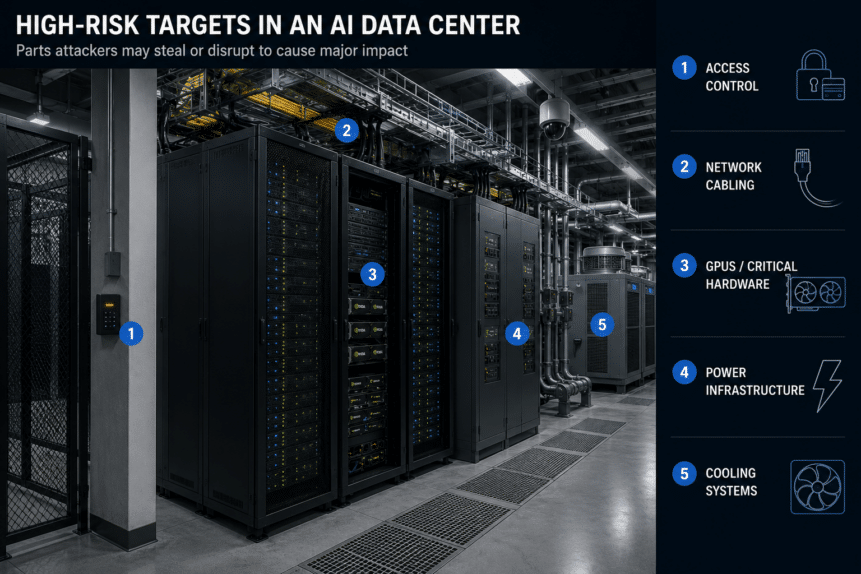
The stadium may be heavily secured. The softer areas around it may not be. The same applies to fireworks shows. Agencies should look past the main venue: parking lots, waterfronts, pedestrian bridges, transit stops, rideshare zones, and restaurant districts.
Five High-Impact Preparedness Actions
1. Reassess soft targets and crowd movement
Map where people will gather, wait, park, eat, drink, and leave. Include fan zones, viewing areas, transit stops, hotels, bars, restaurants, vendor areas, queue lines, and evacuation routes. Bring private-sector partners into planning early. They may see suspicious behavior first.
2. Plan for vehicle attacks, drones, and active assailants
Active shooter training remains essential, but agencies should also plan for vehicle ramming, drone threats, and coordinated attack methods. Review barrier placement, road closures, emergency access, crowd bottlenecks, evacuation routes, and overwatch positions. Test the plan from the attacker’s view and the responder’s view.
3. Strengthen real-time multiagency communication
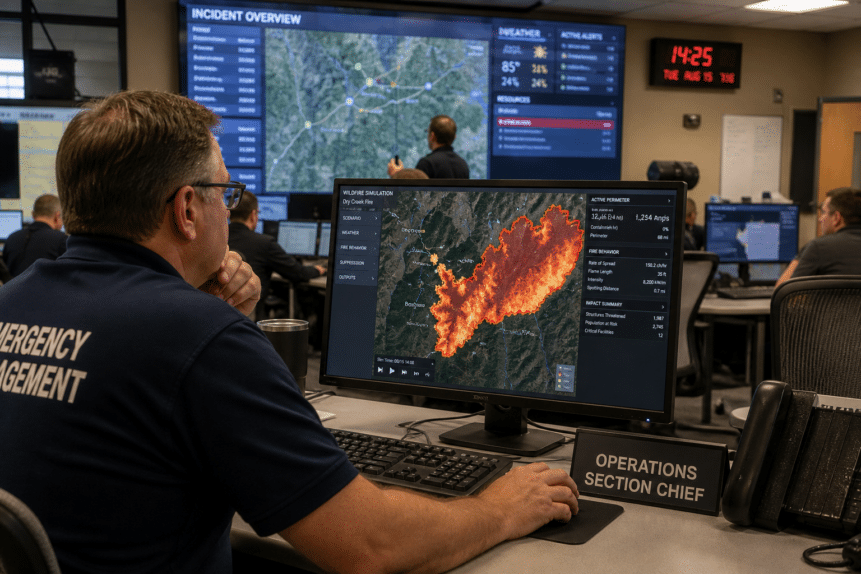
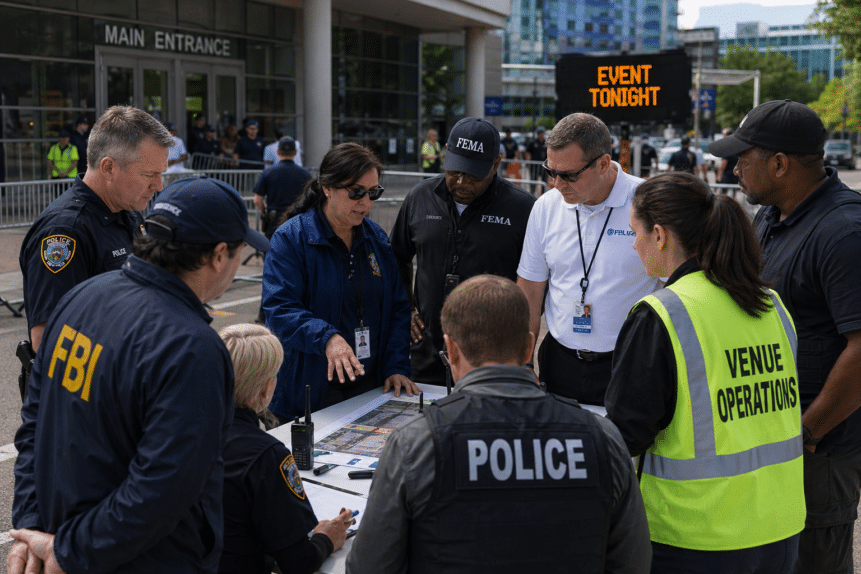
A fast-moving attack will punish fragmented communication. Police, fire, EMS, emergency management, hospitals, transportation, public works, dispatch, venue security, fusion centers, and federal partners need shared information fast. They need affected zones, closed routes, crowd movement, public messages, and agency actions.
Radio traffic alone cannot carry that load.
4. Coordinate drone and cyber contingencies
The alleged White House plot makes drone planning harder to treat as optional. Decide who handles drone reports, who has authority to act, how field personnel should respond, and how public messages will change if a drone triggers evacuation or panic. Keep cyber in the same planning conversation because disruption to ticketing, transit, hospitals, traffic systems, or public information can compound a physical attack.
5. Prewrite public messaging
The public will move faster than official information if agencies are not ready. Preapprove messages for suspicious activity, evacuation, shelter in place, reunification, road closures, transit disruption, misinformation correction, and all clear. Prepare multilingual templates and identify who can approve messages after hours.
Where Genasys Fits
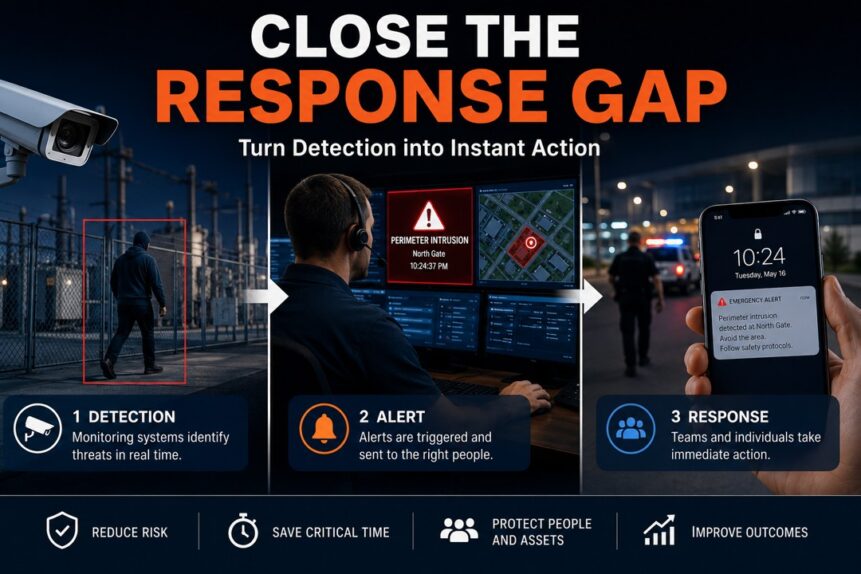
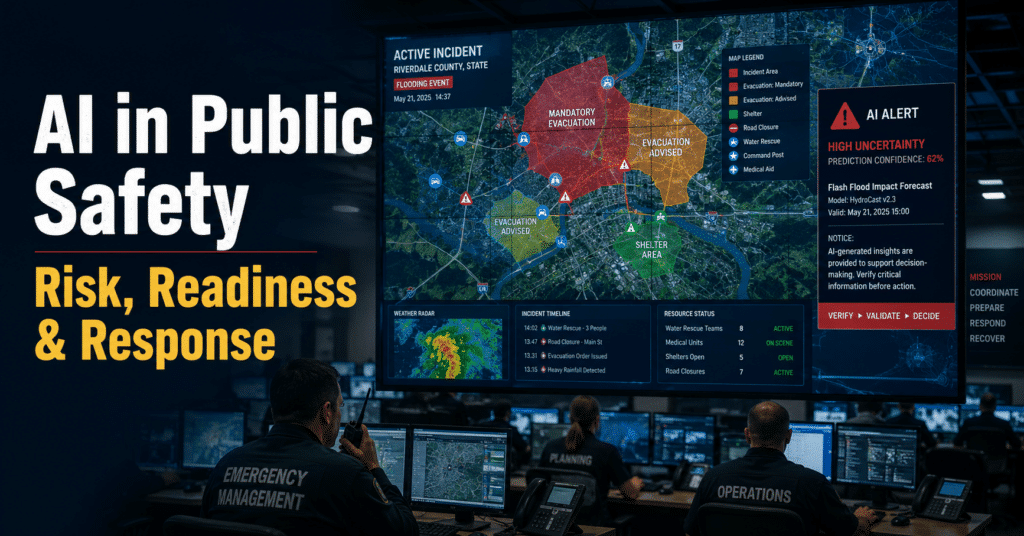
Genasys Protect helps agencies act with precision, speed, and clarity. Teams can target the right people with zone-based alerts, share a common operating picture, and keep residents, visitors, and responders informed as conditions change.
Genasys Evertel supports secure, compliant, real-time collaboration across agencies and partners. Teams can share intelligence, documents, photos, and updates with the right people during fast-moving incidents.
LRAD systems deliver live or recorded voice messages with exceptional clarity over distance, loud noise, and chaotic conditions, helping agencies communicate from safer positions and establish clear safety perimeters.
Funding the Preparedness Gap
It is too late for most agencies to apply for grant funding, procure new systems, deploy them, and train teams before this July 4 or the end of the World Cup. But this threat environment can still help agencies build a stronger case for future preparedness funding.
Agencies should work with their State Administrative Agency, state emergency management office, or UASI working group to identify upcoming opportunities. SHSP and UASI may support terrorism preparedness, planning, training, exercises, equipment, interoperable communications, and protection efforts when projects align with state priorities and allowable costs. EMPG may support broader emergency management capability-building.
For host cities and regional partners, World Cup and counter-drone funding may also support future event-security and preparedness needs.
The strongest applications connect the request to a clear operational gap: public warning, multiagency coordination, evacuation management, active assailant response, mass-casualty coordination, counter-drone readiness, cybersecurity resilience, or continuity of operations.
Stay Alert Without Overstating the Threat
I am not predicting an attack. Genasys is not predicting one either.
But July 4, America’s 250th anniversary, and the World Cup create a security environment that deserves more than routine planning.
Agencies should tighten plans, test coordination, harden soft targets, prepare public messaging, and close communication gaps before the next emergency. If nothing happens, that work still improves readiness. If something does, it may save lives.
Contact us if you want to learn more about how Genasys Protect and Evertel, or our grant support resources can support your agency.