
City of San Diego, CA Case Study


Situation
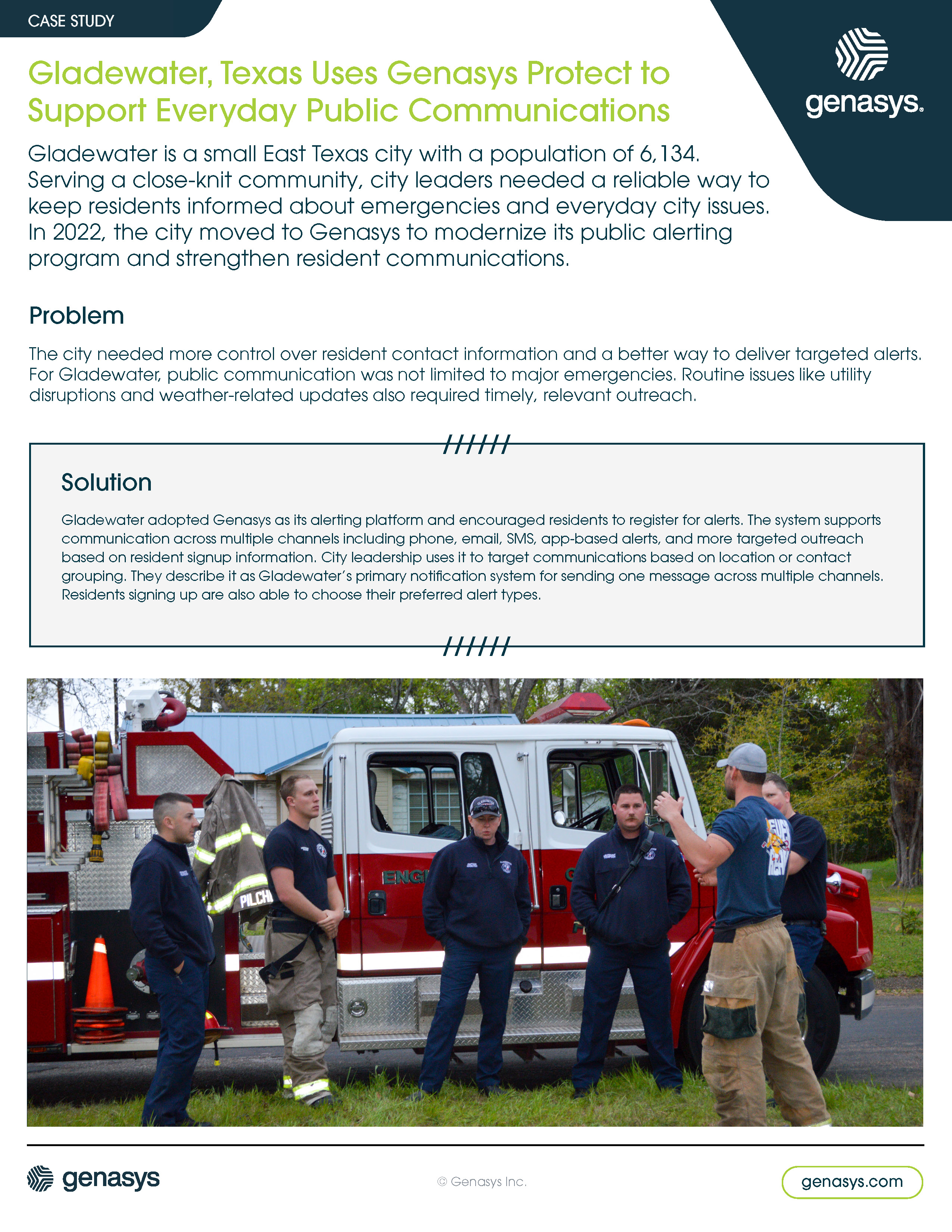
The City of San Diego manages a complex public safety environment that includes dense urban neighborhoods, coastal communities, and regions vulnerable to hazards such as wildfires, coastal emergencies, and community-wide issues, e.g., gas leaks. Public safety leaders must be prepared to communicate quickly with residents, coordinate across agencies, and guide evacuation decisions when incidents occur.
For many years, the city relied on legacy mass notification systems that supported community alerting but lacked the operational efficiency required for modern emergency communications. Public safety teams increasingly needed tools that could support both high risk incidents and routine operational readiness.
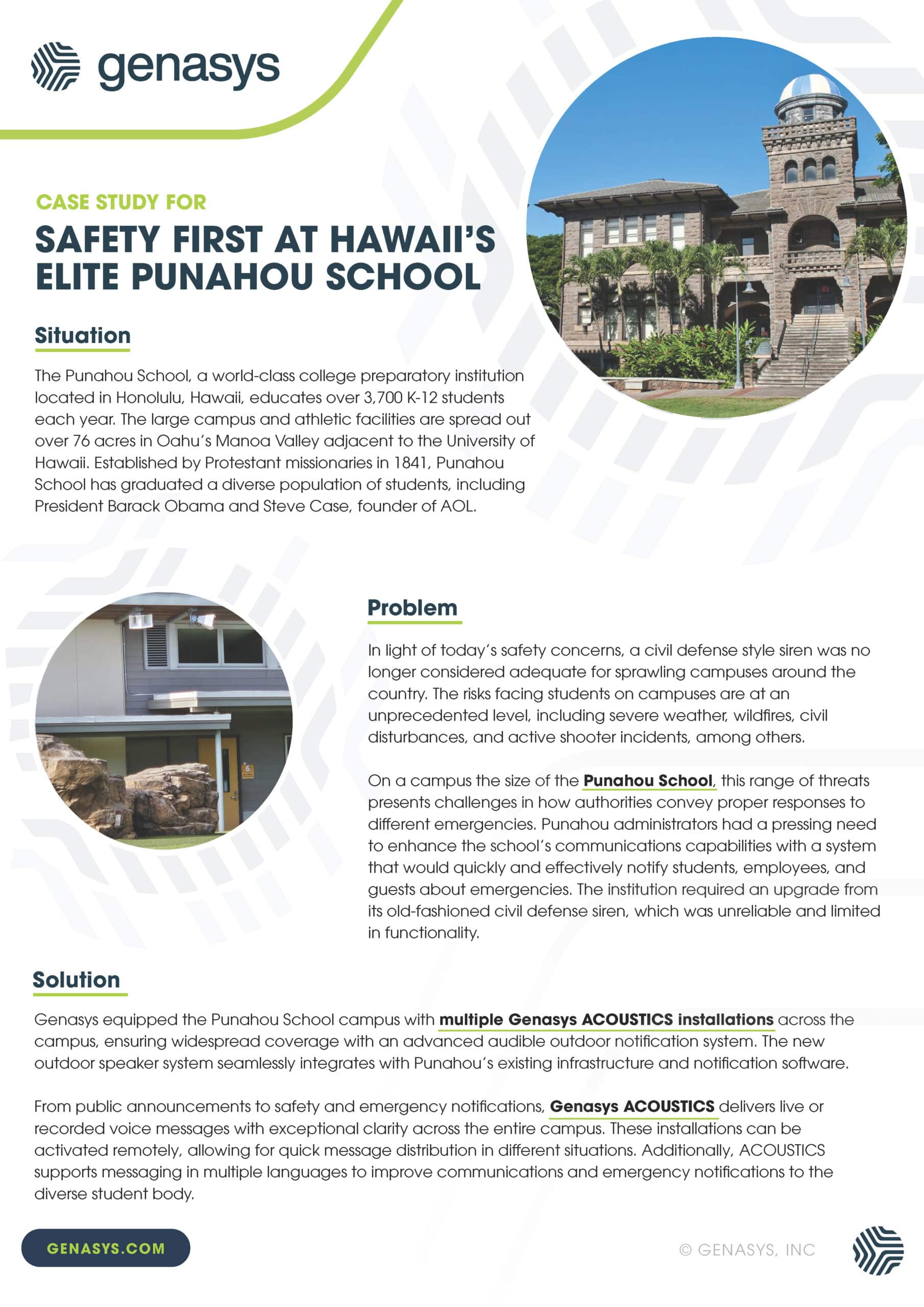
City officials began evaluating alternatives to ensure their emergency communications platform could meet evolving public safety needs. This transition was not triggered by a major disaster. Instead, it was an intentional and carefully planned modernization effort designed to improve reliability, operational efficiency, and preparedness.
Officials sought a system that would allow them to support public safety, manage community alerting, and strengthen protective communications during both daily operations and emergency response.
Problem
San Diego's previous mass notification system limited both preparedness and incident response. Routine tasks such as maintaining accounts, updating templates, managing maps, and keeping data accurate across platforms were complex and time consuming. During incidents, leaders also needed to quickly estimate how many residents an alert or evacuation zone could affect, but a multi-step ArcGIS workflow slowed those decisions.
Additionally, the Sheriff's Department needed a better way to deliver clear voice messages over long distances and across challenging outdoor environments. They felt handheld megaphones lacked the reach and clarity required in these situations, which made communication less effective and forced personnel to spend more time delivering manual, location-to-location notifications instead of focusing on higher-priority tasks.
Solution
The City of San Diego transitioned to Genasys Protect, a platform designed to support protective communications, evacuation planning, and coordinated emergency communications. Today, San Diego uses Genasys Protect for both daily preparedness activities and active incident response.
Today, San Diego uses Genasys Protect for both daily preparedness activities and active incident response.
During daily operations, public safety personnel use the platform to:
- Create and maintain user accounts
- Update pre-approved message templates
- Verify mapping data and geographic zones
- Conduct mitigation and preparedness planning
Templates have become one of the most heavily used features. Pre-approved language allows staff to issue alerts quickly and consistently during time-sensitive situations. Another critical capability is population estimation. When an incident occurs, emergency managers immediately use Genasys Protect to view population estimates within affected zones, helping leadership assess potential impact and make faster evacuation decisions.
Additionally, San Diego County Sheriff's department acquired an LRAD 500X to support clear, long-range voice communications during search and rescue operations, planned events, and emergencies like fires where clear, intelligible messaging is critical. The system gives personnel another way to deliver live or pre-recorded instructions in English or Spanish across large outdoor areas and difficult terrain.
Results
San Diego continues to recognize meaningful improvements in operational readiness and emergency communications.
- Faster population impact assessments – Population estimates are now available instantly within Genasys Protect.
- Improved preparedness and operational readiness – By maintaining templates, maps, and system data within a single platform, San Diego's public safety teams are better prepared to respond to incidents with speed and consistency.
- More efficient emergency communications – Templates and streamlined workflows allow agencies to deliver clear, consistent alerts during localized incidents such as gas leaks and wildfire advisories.
- Greater confidence in system reliability – By transitioning away from their previous vendor, the city implemented a more dependable platform designed specifically for modern emergency communications and protective communications.
- Effective field communications – San Diego County Sheriff's Department felt a significant impact using LRAD across search and rescue operations, planned events, and emergency scenarios like fire.
"The feedback from law enforcement personnel was very positive. It (the LRAD 500X) eliminated the need to go from location to location making personal notifications, so staff could focus on traffic control and making sure people got back to their cars and left safely. It was a big hit on both days." – Lt. Ed Musgrove, San Diego County Sheriff's Department
City of San Diego Stats: By the Numbers
1.4 M San Diego's resident population
4,250 People per square mile²
343 Sq Miles served by fire-rescue