











By Chris Higgs, Account Executive at Genasys Inc.
Key Takeaways:
- Public safety agencies handle daily communications and major emergencies across fragmented systems creating confusing workflows, delays, and effectiveness
- Modern emergency communications systems with precise targeting, accessible situational awareness, a common operating picture, and public map can be used for routine operations
- Using emergency communications systems for daily operations builds familiarity and confidence ahead of major emergencies and reduces workflow friction, training burden, and work complexity
Despite operating in environments where speed, coordination, and situational awareness directly affect outcomes, many public safety agencies still rely on fragmented systems across emergencies and daily operations.
This fragmentation creates operational friction. Information must be repeated across systems. Updates may reach different teams at different times. Command staff and field units may not always see the same operational picture simultaneously.
For public safety leaders, daily communication tools must simplify work rather than introduce additional complexity. When systems unify daily workflows, agencies strengthen their ability to respond during high impact events and major incidents.
Why Public Safety Leaders Should Care About Consolidating Emergency and Daily Communications Systems
Whether it’s law enforcement, fire service, or emergency managers, public safety agencies are always busy. Traffic congestion, road closures, parades, sports events, public health updates, and severe weather preparations, are only a fraction of what they deal with beyond major emergencies. They also:
- Face staffing shortages, rising incident complexity, and expanding community expectations requiring teams to operate efficiently every day.
- Use fragmented systems for communications, information gathering, and coordination procedures which slow down responses and raise the risks of errors.
- Rely on systems that only activate during major incidents which creates hesitation and confusion since staff may not be familiar with controls or approval processes when an emergency unfolds.
Using the same system for emergency communications and daily communications directly addresses all these issues.
Consolidation as the Foundation of Efficient Operations
Most agencies feel they already have the tools they need. But when tools are spread out and have niche purposes or uses they end up adding complexity to their jobs or not getting used at all.
What Makes a System Usable for Daily and Emergency Operations
To support both routine activity and high-impact incidents, a system needs a few core capabilities:
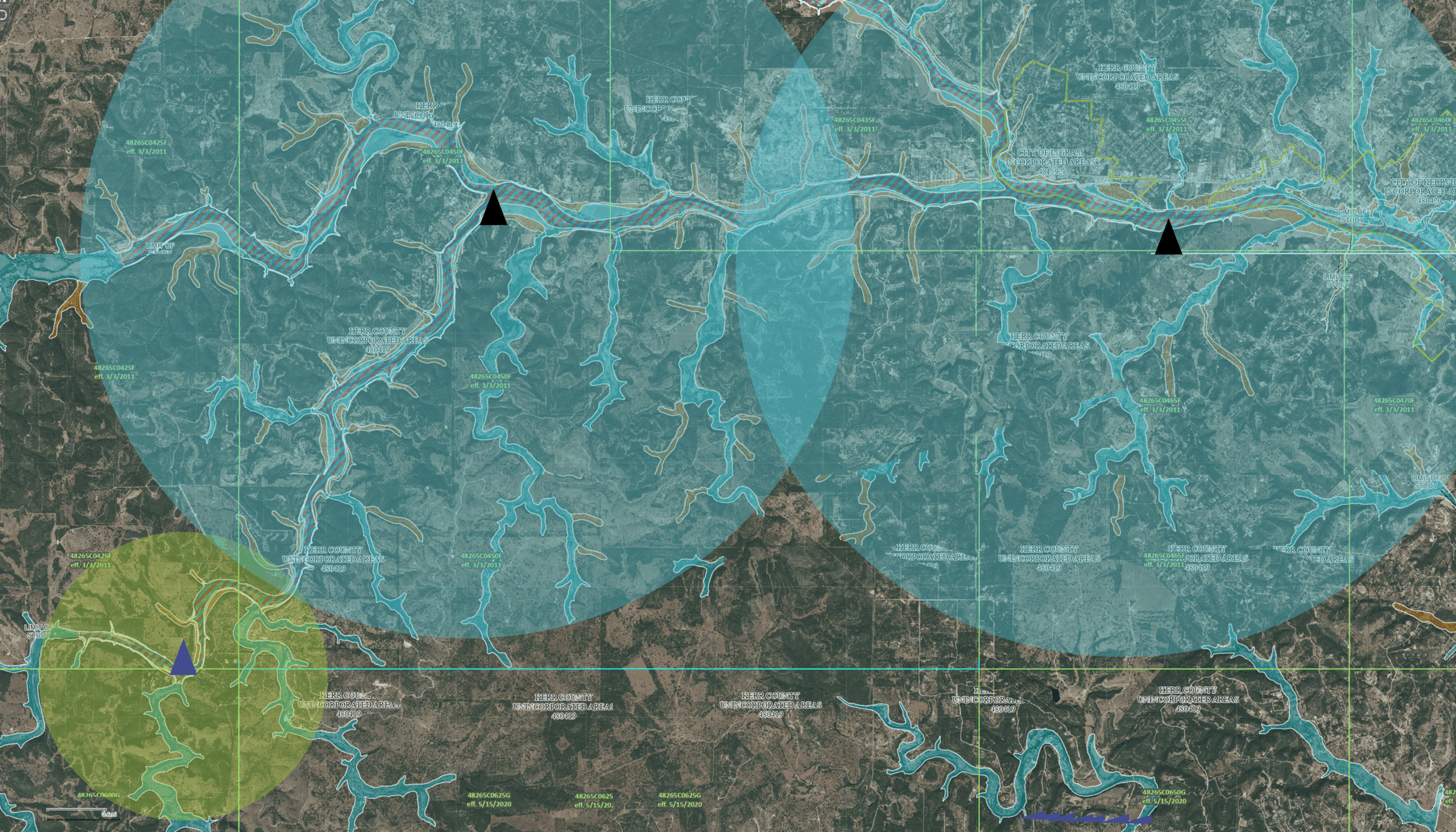
- Precise communication zones: Target specific areas without over-alerting entire jurisdictions
- Easily accessible information: Display incidents, hazards, resources, situational awareness information and updates in one place
- A common operating picture: Ensure command staff and field teams across all participating agencies see the same information at the same time
- Public-facing mapping and updates: Verified, location-based information shared directly with the community
These capabilities remove the limits of traditional emergency-only systems and make daily use practical.
Why This Enables Daily Use
Traditional alerting systems were not built for frequent use. Their reliance on broad, high-reach messaging makes them less effective at alerting during emergencies and incapable of daily operational use.
- Precise communication zones: Alerts only reach people who are actually affected. Broad zones broadcast messages to areas that are too wide for non-emergency communications Precise zones:
- Reduce irrelevant alerts
- Prevent alert fatigue
- Build trust over time because messages are relevant
- Accessible, map-based situational awareness: Multiple data sources are consolidated into one shared map. Teams can visualize incidents, hazards, road closures, and updates instantly. They can also add, update, and track new information in real time.
- A common operating picture: All teams work from the same live information and zones.
- Eliminates back-and-forth clarification
- Reduces misalignment between field and command
- Speeds up coordination without extra communication overhead
- Public-facing map and updates: The public can access location-specific, verified information without being alerted every time.
- Supports routine updates without “sounding the alarm”
- Provides more detail than a standard alert
- Reduces confusion and unnecessary 911 calls
Together, these make and emergency alerting tool into a daily operational system.
What Consolidation Actually Changes
When these capabilities exist in one system, workflows change immediately:
- Information is entered once and stays attached to the incident
- Updates are visible to all teams in real time
- Communication happens inside the system, not across separate channels
- Teams stop switching between tools to complete one task
How Daily Use Improves Emergency Preparedness
Using the same system for daily communications and emergencies strengthens how teams perform under pressure.
- Faster execution during emergencies: Teams use the same workflows every day instead of a couple of times per year. No time is lost figuring out tools or processes when an incident unfolds.
- Reduced hesitation and errors: Familiarity with zones, mapping, and approvals lowers the risk of mistakes. Fewer incorrect inputs, missed steps, or delayed actions.
- Stronger coordination across teams: Staff already operate within a shared system and common operating picture. Alignment happens immediately without multiple check-ins.
- More confident decision-making: Leaders rely on real-time, familiar information they trust so decisions are made faster and with less second-guessing.
- Workflows are tested before they matter most: Daily use exposes gaps, friction, and inefficiencies. Processes improve continuously before a major incident occurs.
- No additional training burden: Preparedness is built into daily operations. Teams train by doing and completing useful tasks instead of exercises and demos.
- Prepared communities: As agencies use the system daily, the public learns to expect relevant alerts and rely on the public map. During emergencies, they already know where to find accurate, location-specific information.
Daily communication is continuous operational training that provides consistent value for agencies and their communities and directly improves emergency performance.
A Practical Example of Coordinated Internal Workflow
Consider a routine traffic disruption reported to a public safety team.
A coordinated workflow may follow these steps:
- A traffic issue is reported.
- The incident is pinned on a shared operational map.
- The affected zone is quickly defined.
- Internal teams are tagged for awareness.
- An update is logged once within the system.
- All departments see the same status in real time.
Because updates occur within one shared environment, teams avoid duplicate communications and conflicting messages. Departments do not need to call one another for clarification, which reduces decision lag and operational confusion.
Operational Lessons from Greenwood County
Greenwood County provides a practical example of how a shared operational picture improves coordination.
Instead of relying on fragmented communications across departments, teams worked within a single visual environment. Incidents were tracked on a shared map and updates remained connected to the operational context.
This approach produced several benefits:
- Improved situational awareness across departments
- Faster internal coordination
- Reduced communication friction during active incidents
The key lesson is operational clarity. When teams see the same information at the same time, decisions move faster and coordination improves.
Strengthening Preparedness Through Unified Communications
Public safety agencies require systems that support both daily workflows and high impact events. Platforms that unify mapping, internal messaging, incident coordination, and situational awareness reduce operational friction while improving emergency performance.
Genasys Protect provides this unified operational environment. The platform allows agencies to coordinate daily communications, manage incidents through a shared operational picture, and maintain real-time awareness across departments.
Because teams rely on the same system for routine communications and major incidents, preparedness improves without adding staffing or complexity.
Daily communication becomes a foundation for operational readiness.
Contact Genasys to schedule a demo and learn how unified communications can strengthen your agency’s daily workflows and emergency response capabilities.
FAQs
How do daily communications reduce workflow friction in public safety agencies?
Daily communications reduce workflow friction by consolidating messaging, mapping, and incident updates into one system. This prevents duplicate communications and ensures all teams see the same information.
Why should emergency communication systems be used daily?
Systems used daily become familiar to staff. When a major incident occurs, personnel already understand workflows, approval processes, and system controls.
What is a shared operational picture in emergency management?
A shared operational picture is a real-time visual environment where incidents, updates, and team coordination occur on a common map or dashboard accessible to all departments.
How do unified communications improve emergency preparedness?
Unified communications allow teams to coordinate within the same system used for daily operations. This reduces confusion, speeds decision making, and improves response during major incidents.