











By Jesse Lama, Sr. Public Safety Consultant, Genasys Inc. & former Patrol Officer
Key Takeaways:
- After-action reports (AARs) repeatedly show that communication and coordination gaps remain one of the biggest challenges during complex, fast moving emergencies.
- Establishing a reliable Common Operating Picture strengthens multi agency decision making, reduces jurisdictional confusion, and supports timely, accurate operational choices.
- Agencies benefit from communication ecosystems that balance internal coordination with clear, targeted public messaging to keep communities informed and safe.
In every major incident review, AARs consistently highlight the same challenge: communication and coordination gaps that slow decision making and complicate field response.
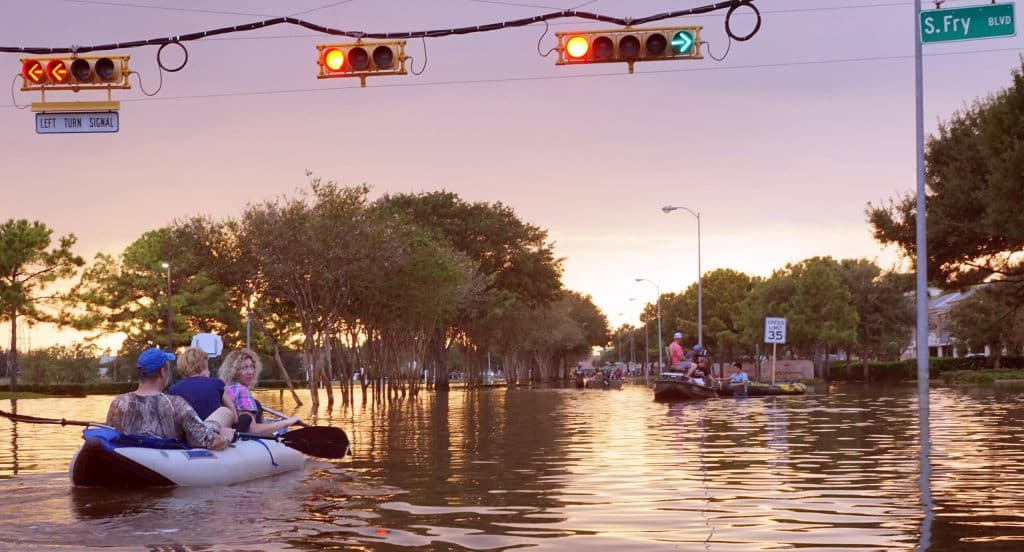
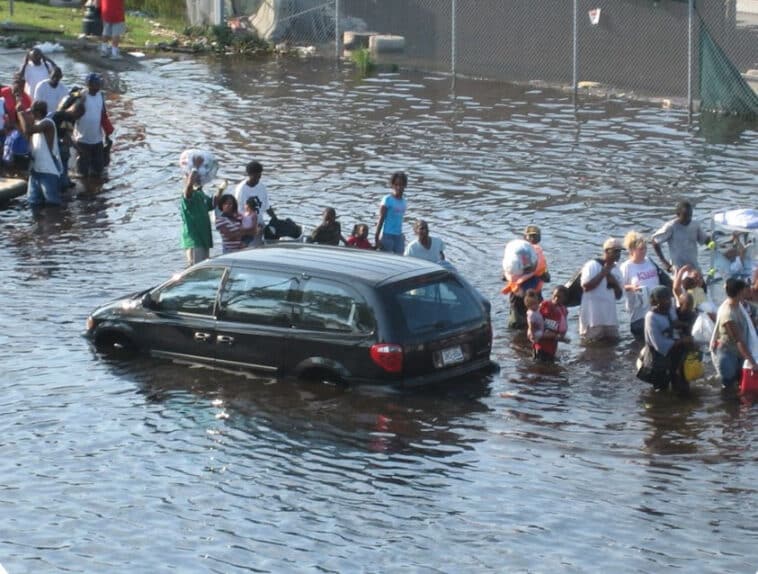
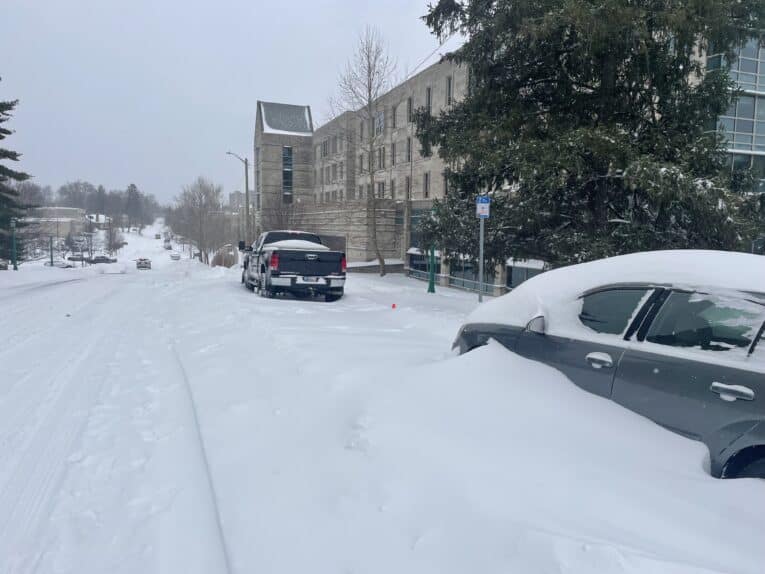
Whether the event involves evacuations, flood rescues, wildfires, public safety threats, or extreme weather disruptions, agencies often struggle to maintain shared situational awareness in the heat of evolving operations.
As communities face more frequent and complex emergencies, the need for a unified, real time, community-wide communications tool has become essential. What’s needed is a comprehensive solution that creates a Common Operating Picture (COP) where first responders, dispatch centers, and local government leaders can align quickly, coordinate multi-jurisdiction responses, and manage emergency evacuation decisions that can then be effectively communicated to the public.
Why AARs Continue to Flag Communication Failures
After-action reports are objective assessments that help agencies and responders understand what worked, what did not, and where response structures need improvement. Although every incident is unique, these reports often identify similar patterns and barriers:
1. Fragmented Information Sharing Across Agencies
During fast moving events, police, fire, EMS, emergency management, and public works often track information on separate systems. This creates delays in relaying field activity, internal alerts, or evacuation management considerations.
These data points would be beneficial as part of a single operational environment so on-scene personnel, command staff, and partner jurisdictions can make decisions using the same live information.
2. Jurisdictional Confusion During Complex Operations
We know incidents do not respect city or county lines. That creates unavoidable emergency evacuation situations where multiple agencies are accountable for public safety outcomes. After-action reports frequently highlight conflicting decisions or duplicated responses caused by unclear boundaries or independent communication trees.
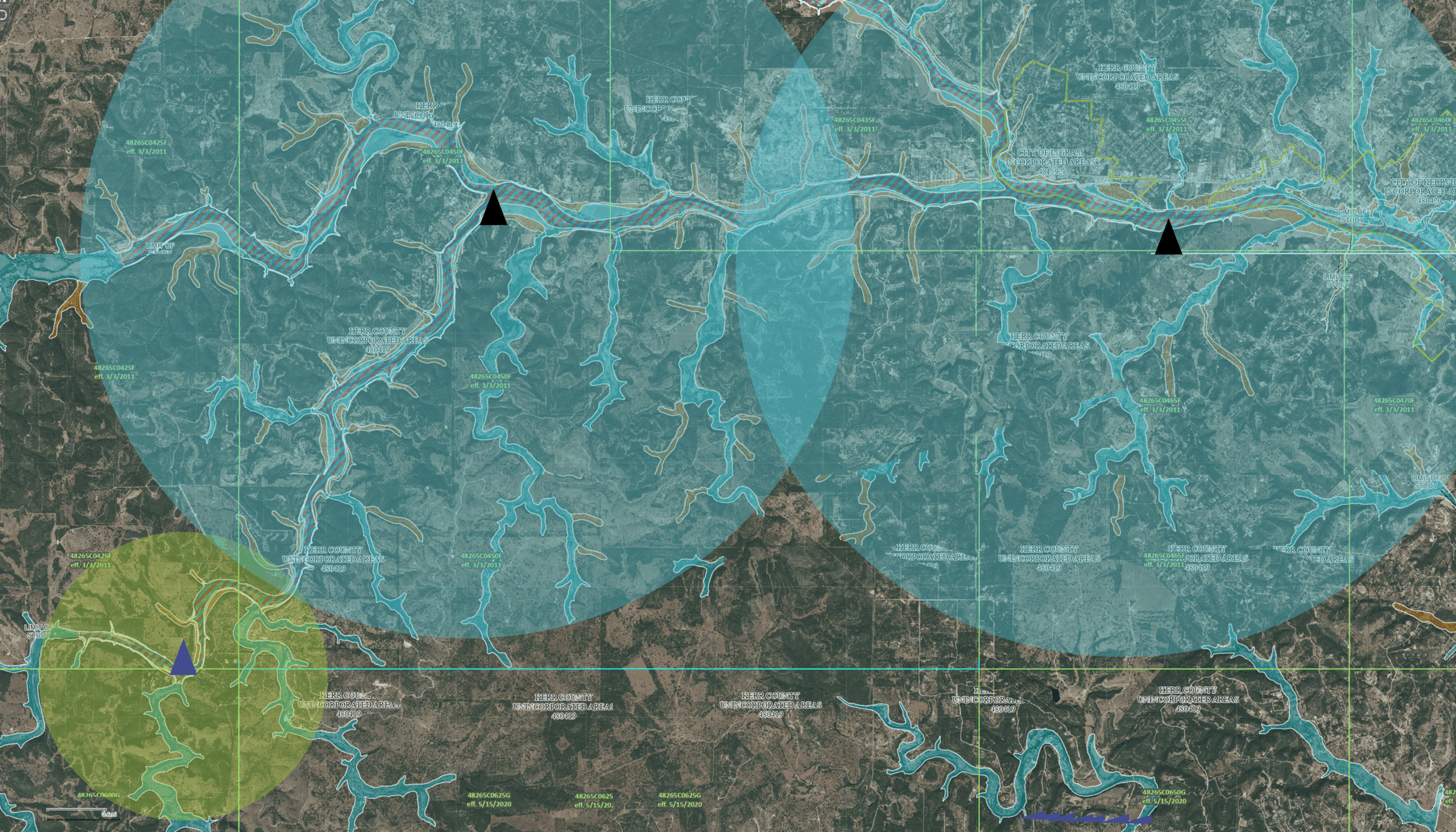
A COP gives every participating agency the same geographic view, map layers, situational awareness information (population, vehicle, building density and critical infrastructure locations), and the same operational status updates. This eliminates conflicting directives and creates a shared understanding of who is responsible for what as the situation unfolds.
3. Over Alerting or Under Alerting the Public
When communication structures are not coordinated, agencies risk either saturating the community with mixed messages or delaying alerts during critical moments. Both outcomes erode public trust and reduce the effectiveness of community alert and messaging systems.
A Common Operating Picture as the Foundation for Coordinated Response
Genasys Protect is an integrated emergency communications platform that unifies capabilities (previously known as EVAC and ALERT) to support both internal coordination and public notification. It provides an environment for first responders and local government teams to share real time updates with responders and the public, manage operational zones and public information, and make joint decisions based on the same information through a COP.
At the same time, it delivers targeted, multilingual public alerts through location-based messaging (both a mobile app and website) that keeps communities informed. Together, these capabilities help agencies streamline decision making by strengthening multi agency coordination and communicating clearly with the public during any emergency.
Interoperability Across Systems and Tools
Additionally, Genasys Protect integrates with Genasys Evertel (for compliant, peer-to-peer notifications and secure team collaboration), as well as LRAD (long-range acoustic devices) and ACOUSTICS (speaker arrays for high clarity voice communication), giving agencies a complete ecosystem that supports onsite communication, digital coordination, and targeted community alerts.
Using Technology to Strengthen Multi-Agency Response Before the Next AAR
Technology should reduce complexity, not add to it. Genasys Protect allows agencies to rehearse, operate, and evaluate within the same platform. This creates three major advantages:
1. Better Preparedness Through Realistic Training
Training inside the same platform used for emergency response allows teams to build muscle memory and identify workflow improvements before the next large scale event.
2. Coordinated Decision Making During Chaotic Operations
A shared view eliminates guesswork. Whether coordinating evacuations, staging areas, traffic control, shelter activation, or tactical response, agencies operate with unified clarity.
3. Stronger Outcomes Documented in Future After-Action Reports
When incident coordination improves, after action reports shift from highlighting communication failures to documenting effective decision making, stronger public safety outcomes, and resilient multi agency collaboration.
Conclusion
Communication gaps identified in AARs do not need to persist. With a COP, a secure coordination environment, and an integrated communications ecosystem, Genasys Protect gives agencies the clarity and control needed to manage chaotic events with confidence.
By improving interagency coordination, aligning jurisdictional responsibilities, and strengthening targeted public messaging, Genasys Protect helps first responders operate with greater precision and trust during every phase of an emergency.
Contact Genasys to learn more about our full suite of emergency and day-to-day communications tools.