











By Pedro Candela Terry, Content Marketing Manager, Genasys Inc.
Key Takeaways:
- After-action consequences often focus on decision defensibility, not intent.
- Documentation gaps increase legal, media, and political exposure after events.
- Structured, auditable decision-making protects leaders long after the event ends.
For public safety leaders, event management does not end when the last attendee leaves. Decisions made during major events are later examined with perfect hindsight by the media, attorneys, elected officials, and the public. What felt reasonable under uncertainty is judged against outcomes that are fully known after the fact.
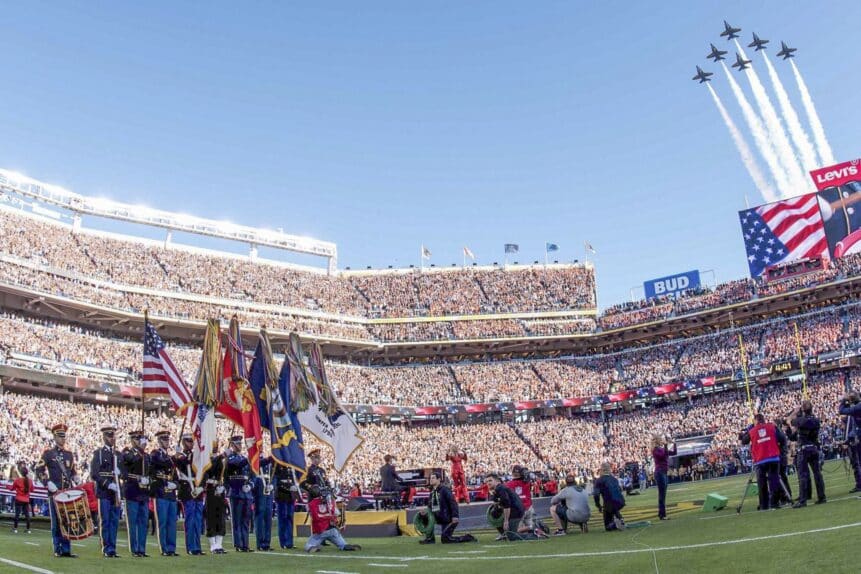
High-profile events like the Super Bowl, the Winter Olympics, and the upcoming FIFA World Cup magnify this reality. Leaders are not only evaluated on what happened, but on whether they can prove decisions were reasonable, authorized, and procedurally sound.
After-Action Consequences Are Personal and Professional
Command staff and emergency managers carry personal exposure after large events. “We did our best” or “we did not know” is rarely an acceptable explanation during post-incident reviews. Documentation gaps often become the focal point of criticism, even when outcomes were influenced by factors outside agency control.
This scrutiny shapes behavior during the event itself. Leaders who fear after-action consequences may hesitate, delay alerts, or default to inaction to avoid perceived risk. Ironically, this risk aversion can create greater exposure when incidents escalate.
Decision Defensibility Matters as Much as Decision Speed
Effective event leadership requires decisions that are both timely and defensible. Defensibility means leaders can clearly show who made a decision, under what authority, using what information, and in alignment with established protocols.
When decisions are undocumented, informal, or verbally relayed without record, agencies struggle to demonstrate due diligence. In contrast, structured decision-making creates a clear narrative that withstands legal, media, and political review.
Best Practices to Reduce After-Action Risk
- Establish and Document Unified ICS Decision-Making
Using a formal Incident Command System with clearly defined roles distributes response, accountability, and prevents individual blame. Documenting decisions through ICS forms, such as 201, 202, and 214, creates a transparent record that shows how and why actions were taken.
- Treat Alerting and Response Protocols as Legal Records
Exercises should use real alerting tools and pre-approved message templates. All protocols, decisions, and outputs should be documented as part of the planning record. These materials demonstrate procedural readiness if actions are later questioned.
- Integrate Legal and Policy Advisors into Real-Time Planning
Including legal counsel or policy officers within the command structure helps ensure decisions align with local and state mandates. This reduces exposure to claims of negligence or procedural overreach after the event.
- Apply NFPA-Certified Crowd Management Plans
NFPA guidance recommends one trained crowd manager for every 250 attendees. Assigning and documenting zones, radios, and responsibilities reduces post-event scrutiny related to crowd flow, congestion, and accountability failures.
How Genasys Supports Defensible Event Decisions
Genasys provides built-in documentation and reporting capabilities that help agencies demonstrate accountability long after an event ends.
Evertel creates a permanent, auditable record of inter- and intra-agency communications. All messages are automatically logged, stored, and preserved to maintain data integrity, and the platform is designed so communications cannot be deleted or destroyed, ensuring complete records for legal or investigative review. It also supports compliance requirements such as CJIS, FOIA, and HIPAA, helping agencies meet formal documentation obligations.
Genasys Protect maintains records of alert broadcasts, including what was sent, by who, who was targeted, and who received it that can be used for reporting, analysis, and post-event improvement. By operating planning, response, and evaluation within the same platform, agencies can generate a consistent operational record that strengthens after-action reporting and demonstrates how decisions were made.
Together, these systems create a defensible operational history showing who communicated what, when, and why which is critical evidence when decisions are reviewed after major events.
FAQs
What are after-action consequences in event management?
After-action consequences refer to legal, political, and public scrutiny that follows major events. Leaders are evaluated on outcomes and on whether decisions were reasonable and properly executed and documented.
Why is decision defensibility important during large events?
Decision defensibility allows agencies to prove actions were authorized, informed, and aligned with established protocols. This reduces exposure during investigations and legal reviews.
How does documentation affect post-event reviews?
Incomplete documentation often becomes the primary point of criticism. Clear records demonstrate due diligence and help agencies defend decisions made under uncertainty.
How can agencies reduce after-action risk?
Agencies can reduce risk by using a unified command, documenting decisions through ICS forms, exercising alerting protocols, and integrating legal advisors into event planning.