










By Pedro Candela Terry, Content Marketing Manager, Genasys Inc.
Key Takeaways:
- Consistent, relevant communication is the foundation for increasing public sign-ups.
- Precision messaging reduces alert fatigue and improves engagement.
- Daily operational value drives long-term trust and adoption.
Many agencies face a persistent challenge. Public alert systems exist, but community adoption remains limited. Residents do not subscribe simply because a tool is available. They subscribe when it provides a consistent, reliable value.
Trust determines participation. Without trust, even the most advanced communication platform struggles to reach its full potential.
This practical guide outlines how agencies can increase public sign-ups while reducing alert fatigue through clear, repeatable operational practices.
Why Subscriber Growth and Alert Precision Matter in High Impact Events
Subscriber growth directly expands communication reach during high impact events and major incidents. A larger audience means more people receive timely, actionable information when it matters most.
However, if alerts are too broad or irrelevant, residents disengage. Over time, this reduces message effectiveness and increases alert fatigue.
Agencies that balance reach with precision achieve stronger outcomes:
- Improved emergency preparedness across communities
- Reduced inbound 911 call volume during incidents
- Higher compliance with safety instructions
- Increased public confidence in official communication
The Core Principle: Consistent, Relevant Communication Builds Trust
Residents choose to subscribe when communication meets four expectations:
- Information is relevant to their location and situation.
- Messages are precise and easy to understand.
- Updates are timely and reflect real conditions.
- Communication is consistent, not limited to emergencies.
Trust is not built during a crisis. It is built through repetition during daily workflows and routine communications.
Operational Steps That Deliver Immediate Results
Agencies can increase adoption by implementing specific, repeatable actions that demonstrate value every day.
1. Use Zone-Based Messaging to Deliver Relevant Information
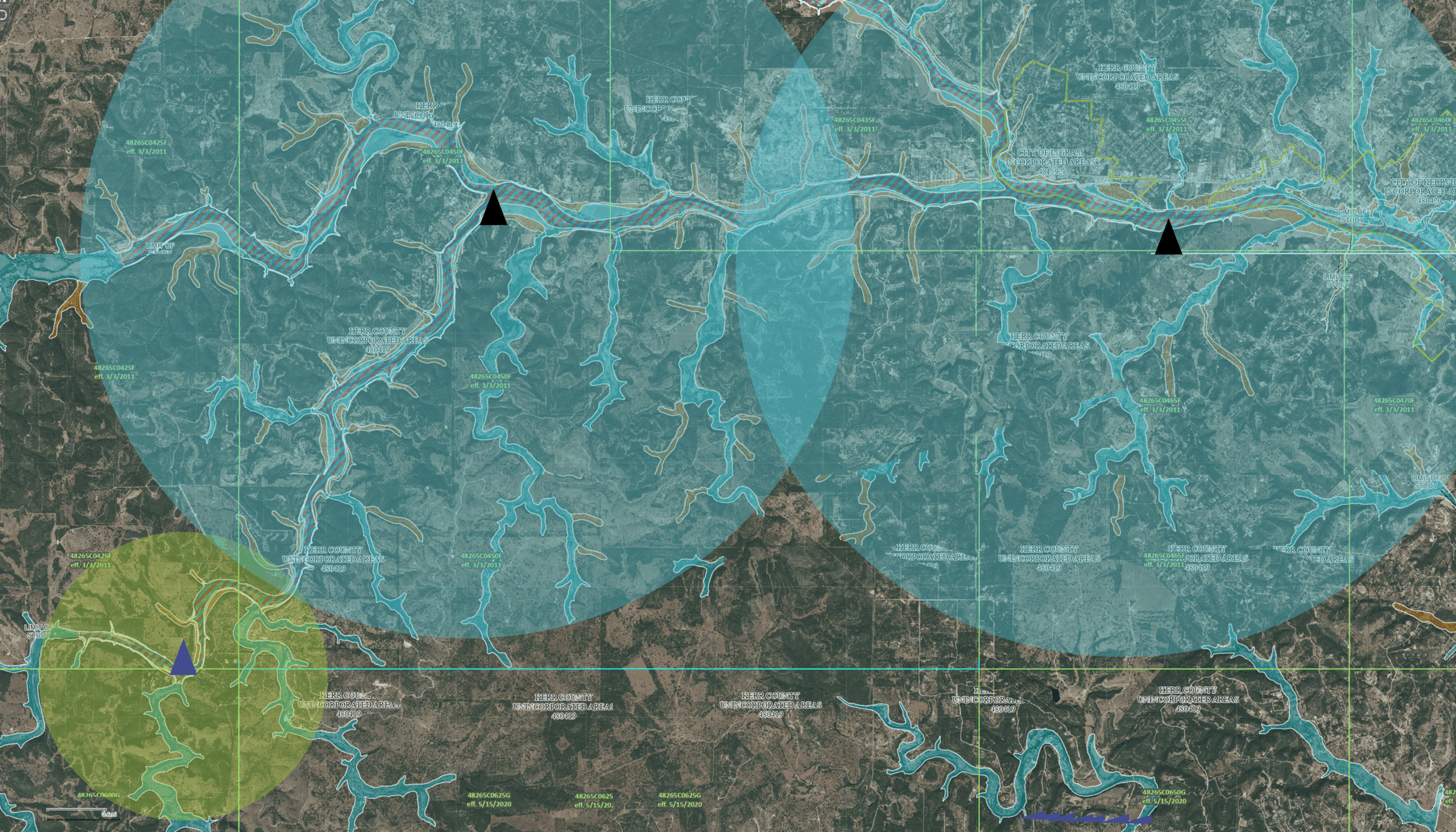
Precise zone-based communication ensures residents receive updates that apply only to their immediate area. This prevents unnecessary notifications and increases value.
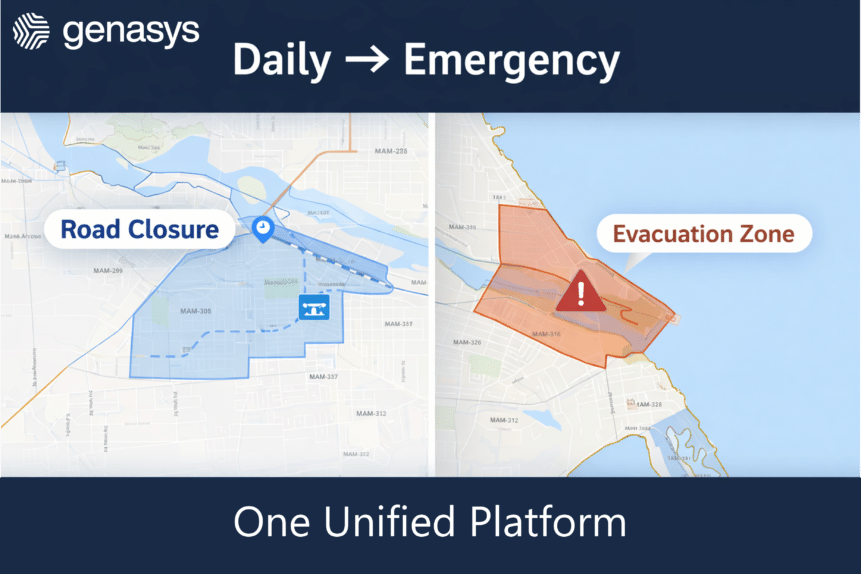
2. Publish Routine Disruptions on a Public Map
Road closures, utility outages, and planned disruptions provide daily opportunities to engage the public. A public-facing map allows residents to quickly verify conditions in their area.
3. Provide Estimated Timelines Whenever Possible
Uncertainty drives frustration. Even approximate timelines help residents make informed decisions and reduce confusion.
4. Update Information Regularly Across Channels
Consistent updates signal reliability. Synchronizing updates across platforms reinforces credibility and reduces misinformation.
5. Promote the App During Non-Emergency Communications
Adoption grows when residents see everyday usefulness. Routine communications create natural opportunities to promote sign-ups without urgency fatigue.
Outcome:
Residents begin to rely on the system for daily awareness. Over time, they share it with neighbors, and adoption increases steadily.
Reducing Alert Fatigue Through Precision and Relevance
Alert fatigue occurs when residents receive too many irrelevant notifications. Over time, they disengage or disable alerts entirely.
Agencies can reduce alert fatigue by focusing on:
- Precision zoning that limits unnecessary notifications
- Clear, relevant messaging tied to real conditions
- Consistent value that reinforces engagement
- Avoidance of broad, non-specific alerts
Fewer, more relevant alerts preserve credibility and ensure messages are taken seriously during major incidents.
Proof in Practice: Tacoma’s Approach to Consistent Value
The City of Tacoma provides a clear example of how consistent communication drives adoption.
- The platform is used regularly, not only during emergencies
- Mobile app subscriptions increased steadily over time
- Residents rely on the public map for verified updates
- Community engagement grew through consistent daily value
This demonstrates a key principle. Participation increases when residents see ongoing, practical benefits.

How Operational Mechanics Support Trust and Growth
Effective systems combine several core capabilities:
- Zone-based alerting that focuses messaging on hyper-local zones and prevents over-notification
- A public-facing map that provides situational context
- Synchronized updates across communication channels
- Automatic alerts for residents and visitors entering or passing through affected zones
These mechanics create a common operating picture for both agencies and the public. The result is clearer communication, reduced misinformation, and stronger trust.
Connecting Strategy to Technology
Delivering consistent, relevant communication at scale requires a unified platform.
Solutions such as Genasys Protect enable agencies to:
- Execute precise, zone-based messaging
- Maintain a real-time public map
- Synchronize alerts across multiple channels
- Support both daily workflows and emergency response
This integrated approach helps agencies increase subscriber growth, reduce alert fatigue, and improve overall operational effectiveness.
Conclusion: Growth Comes from Everyday Value
Agencies do not increase subscribers through one-time campaigns. Growth occurs when residents rely on communication tools as part of their daily lives. Consistent, relevant messaging builds trust. Trust drives adoption. Adoption improves outcomes during high impact events.
To learn how your agency can increase public engagement and reduce alert fatigue, contact Genasys for a demo or explore our upcoming webinar for deeper strategic insights.
FAQs
How can agencies increase public alert sign-ups?
Agencies increase sign-ups by delivering consistent, relevant information through zone-based messaging, public maps, and regular updates that provide everyday value.
Why is routine communication important for emergency preparedness?
Routine communication builds trust and familiarity, ensuring residents rely on official channels during high impact events and major incidents.
What causes alert fatigue in emergency communications?
Alert fatigue occurs when residents receive too many broad or irrelevant notifications, leading them to ignore or disable alerts over time.
How does zone-based messaging reduce alert fatigue?
Zone-based messaging ensures residents only receive alerts relevant to their location, reducing unnecessary notifications and maintaining engagement.