











Key Takeaways:
- Everyday incidents create ongoing operational strain that can be reduced with better communication systems.
- Managing routine communications improves workflows, reduces workload, and delivers immediate operational value.
- Systems used daily become critical tools during high impact events and major incidents, and, importantly, trains the public and staff to use the system routinely so as not to forget the system or its functions.
When public safety professionals think about emergencies, large-scale disasters often come to mind. However, the majority of operational activity is driven by everyday incidents.
Traffic accidents, utility outages, road construction, small public events, and localized hazards occur daily. While individually manageable, these incidents collectively consume significant time, create confusion, and strain resources.
The opportunity lies in treating these routine communications as a strategic advantage rather than a recurring burden.
Why Everyday Incidents Create Disproportionate Operational Strain
Minor incidents often trigger outsized operational challenges:
- Dispatch centers receive repeated calls from the public.
- Field teams are interrupted with status inquiries.
- Information is fragmented across systems.
- Residents lack a clear, reliable source of truth.
These inefficiencies compound quickly, pulling attention away from higher-priority responsibilities and increasing the risk of miscommunication during high impact events.
By improving how everyday incidents are communicated, agencies can reduce operational friction and strengthen overall emergency preparedness.
Practical Use Cases That Deliver Immediate Results
Traffic Accidents and Road Closures
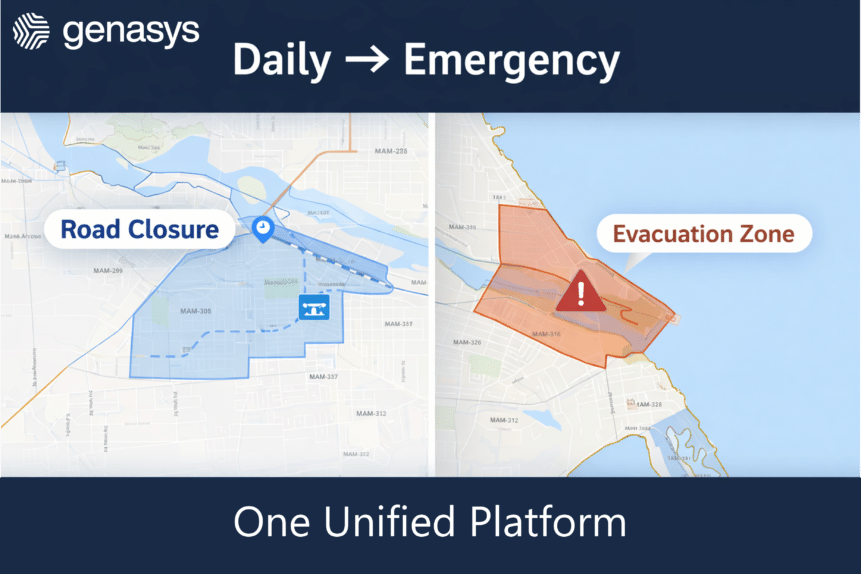
A single accident or unplanned road closure can create widespread disruption, delaying traffic and fraying nerves. With a centralized communications system, agencies can:
- Map the affected area in real time
- Share detours and expected delays
- Provide updates as conditions change
This reduces inbound calls and allows drivers to make informed decisions without contacting dispatch.
Utility Outages and Service Disruptions
Utility incidents often generate high call volumes. With proactive communication:
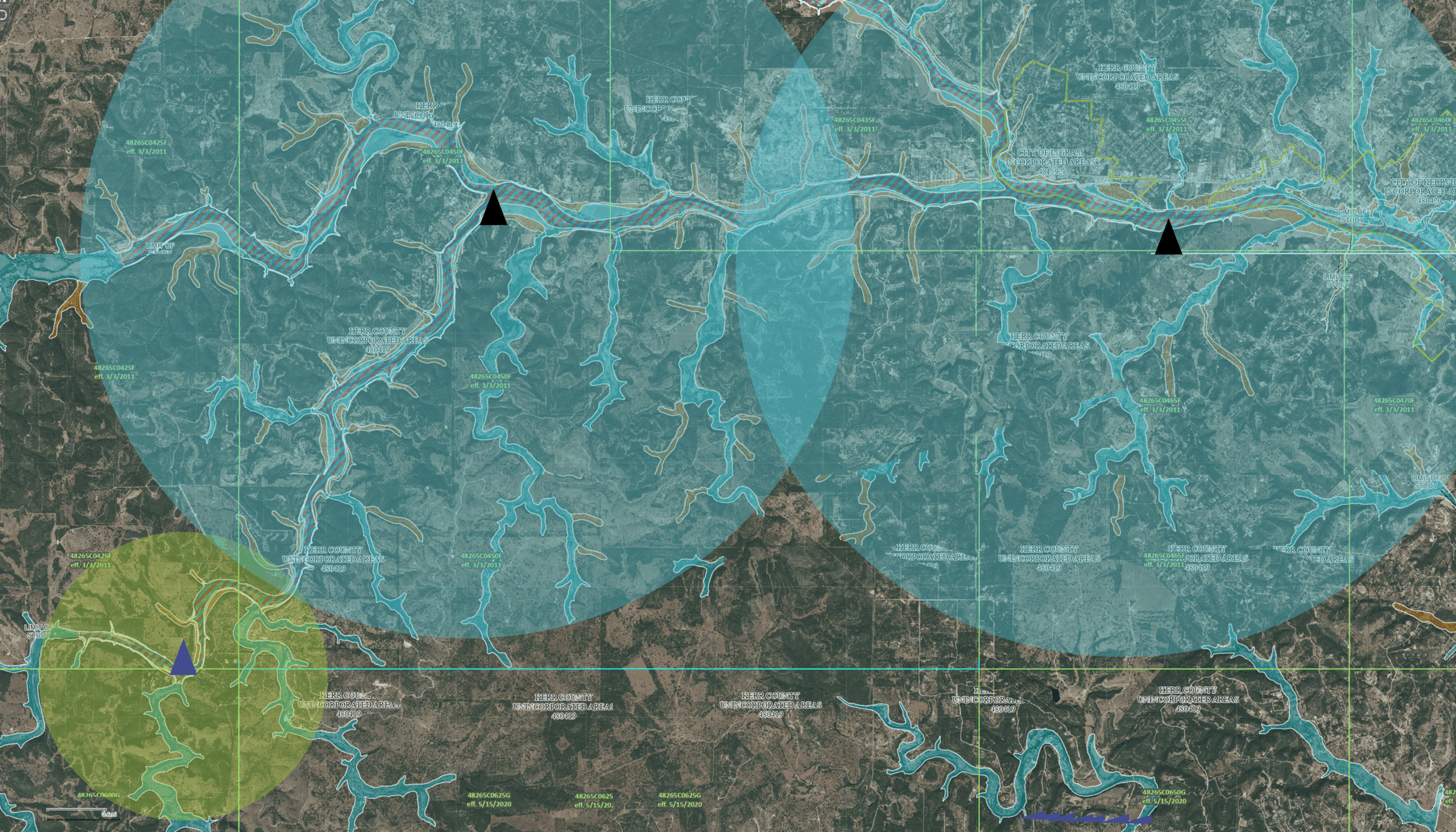
- Affected zones are clearly defined
- Restoration timelines are shared
- Updates are automatically distributed
Residents gain clarity, and field crews remain focused on resolution rather than answering repetitive questions.
Planned Events and Road Construction
Recurring disruptions such as construction projects or local events can be communicated in advance:
- Publish timelines and impacted areas
- Share expected traffic impacts
- Provide ongoing updates and situations change and evolve
This improves public awareness and reduces confusion before issues arise.
Localized Hazards and Community Alerts
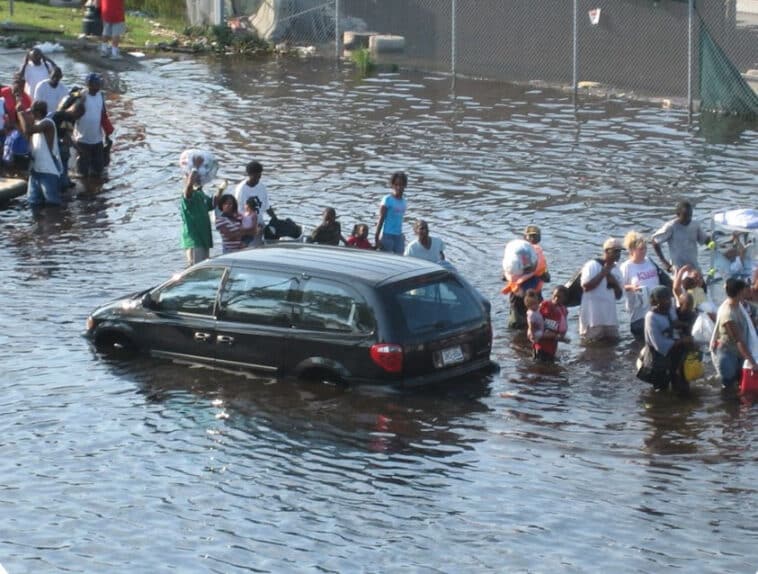
From downed power lines to small-scale flooding, localized hazards require fast, targeted communication:
- Notify only affected areas
- Provide clear safety instructions, e.g., evacuations, safe-to-return messaging
- Update conditions as they evolve and, hopefully, dissuade spectators
This ensures relevant information reaches the right audience without overwhelming others.
How Daily Communications Reduce Workload Across Teams
The operational value of managing everyday incidents comes from how communication systems function:
- A single platform handles mapping and messaging
- Updates are shared across teams without duplication
- Information is visible in a common operating picture
- The public can access real-time updates directly
This approach reduces:
- Email chains and fragmented updates
- Radio congestion and dispatch centers relieved from repeated inquiries
- Manual coordination between teams
The result is a more efficient workflow where teams spend less time communicating and more time resolving incidents.
The Immediate Operational Value of Everyday Incident Management
Focusing on everyday incidents delivers measurable benefits:
- Reduced pressure on dispatch centers
- More efficient field operations
- Improved public awareness and trust
- Faster, clearer decision-making
- Immediate return on operational investment
These daily improvements create consistency, allowing agencies to refine processes continuously rather than only during major incidents.
From Daily Operations to Major Incident Readiness
Systems that support routine communications become essential during major incidents.
When teams are already aligned around shared tools, workflows, and real-time information, they can scale operations seamlessly during high impact events. This reduces confusion, improves coordination, and supports more effective response efforts when stakes are highest.
Bringing It All Together with Genasys
This is where solutions like Genasys Protect provide significant value. By combining zone-based mapping, real-time messaging, and a shared common operating picture, agencies can manage both everyday incidents and major emergencies within a single platform.
Daily use reinforces adoption, builds confidence across teams, and ensures the system is fully operational when it matters most.
Conclusion
Everyday incidents are not just routine tasks. They are opportunities to improve workflows, reduce operational strain, and build a stronger foundation for emergency preparedness. Organizations that optimize daily communications gain immediate value while positioning themselves for more effective response during major incidents.
Contact Genasys today to schedule a demo and see how everyday incident management can deliver immediate operational value while strengthening your emergency response capabilities.
FAQs
What are everyday incidents in emergency communications?
Everyday incidents include routine events such as traffic accidents, utility outages, road construction, and localized hazards that require ongoing communication and coordination.
How do everyday incidents impact operational efficiency?
They generate repeated inquiries, increase dispatch workload, and create fragmented communication, which reduces overall efficiency.
How can agencies reduce workload from routine incidents?
By using centralized systems that provide real-time mapping, shared updates, and direct public access to information, agencies can minimize manual communication.
Why are routine communications important for major incident readiness?
Daily use of communication systems builds familiarity, improves coordination, and ensures teams are prepared to respond effectively during large-scale emergencies.