












By Pedro Candela Terry, Content Marketing Manager, Genasys Inc.
Key Takeaways:
- Public safety failures during events are often driven by cognitive overload, not poor planning.
- Simplifying communications and situational awareness improves decision speed and consistency.
- Unified platforms help leaders focus on actions, not tool coordination.
Large-scale events like the Super Bowl, Winter Olympics, and the upcoming FIFA World Cup are often supported by years of planning, detailed SOPs, and mature Incident Command System structures. Yet after-action reports frequently cite vague “communication issues” when something goes wrong.
These failures are rarely caused by a lack of planning. They often occur when complexity escalates faster than leaders can process information. During live events, decision makers face constant radio traffic, incoming alerts, media pressure, political oversight, and rapidly evolving conditions.
During a major event, public safety leaders are constantly deciding:
- Escalate or monitor
- Approving alerts
- Alert now or wait
- When to override protocol
- Which agency leads
- Where to deploy next
- What can wait What cannot fail
- When to call for support
- How visible to be How disruptive to act
- When to brief executives
Cognitive overload becomes the hidden risk factor that delays action, creates hesitation, or leads to conflicting instructions at the worst possible moment.
Cognitive Overload Is a Real Threat During Major Events
Most public safety agencies are well prepared on paper. They have event playbooks, staffing models, and mutual aid agreements in place. But, during events, information often arrives faster than people can absorb it.
Leaders are faced with tracking and interpreting overwhelming amounts of information at once including:
- Crowd size and movement
- Perimeter integrity
- Active or potential threats
- Suspicious activity reports
- Medical incidents
- Weather changes
- Transportation disruptions
- Infrastructure status
- Resource availability
- Personnel safety
- Incident escalation indicators
- Public behavior and compliance
- Intelligence updates
- Operational gaps
While all this information is needed, it needs to be easily accessible and delivered intuitively to facilitate decision-making.
Why “Communication Issues” Mask Deeper Systemic Problems
After-action reviews often attribute breakdowns to communication without identifying the root cause. These moments often reflect system design failures, not individual mistakes.
Beyond the overwhelming data coming in, that information often reaches leaders through multiple, disconnected channels:
- Separate radio systems
- Phone calls
- Standalone dashboards
- CAD and RMS systems
- Text messages
- In-person briefings
- Shared documents or spreadsheets
- Whiteboards and manual notes
- Multiple talk groups
- Ad hoc messaging tools
When leaders must mentally reconcile multiple dashboards, radio channels, alerting tools, and situational updates, decision-making suffers. Under these conditions, even experienced commanders may hesitate to authorize alerts, struggle to prioritize actions, or miss critical signals buried in noise. Overload can turn good plans into slow execution.
Simplifying how information is presented, shared, and acted upon enables leaders to focus on decision-making instead of piecing information together.
Best Practices to Reduce Cognitive Load During Events
- Establish Unified Command and Pre-Defined Roles
A clearly defined ICS structure with delegated authority limits how many decisions incident commanders must make in real time. Unified Command distributes responsibility across agencies, reducing decision paralysis and allowing leaders to focus on strategy instead of constant approvals.
- Consolidate Communications and Interoperability Tools
Using interoperable platforms that are planned and tested before an event reduces mental strain. Centralized communication through shared channels and dashboards eliminates the need to juggle multiple systems and interpretations.
- Use Pre-Approved Protocols and Messaging Templates
Pre-scripted alerts and operational checklists reduce the cognitive effort required to craft messages under pressure. This accelerates response, maintains consistency, and prevents conflicting instructions during high-stakes moments.
- Deploy a Common Operating Picture
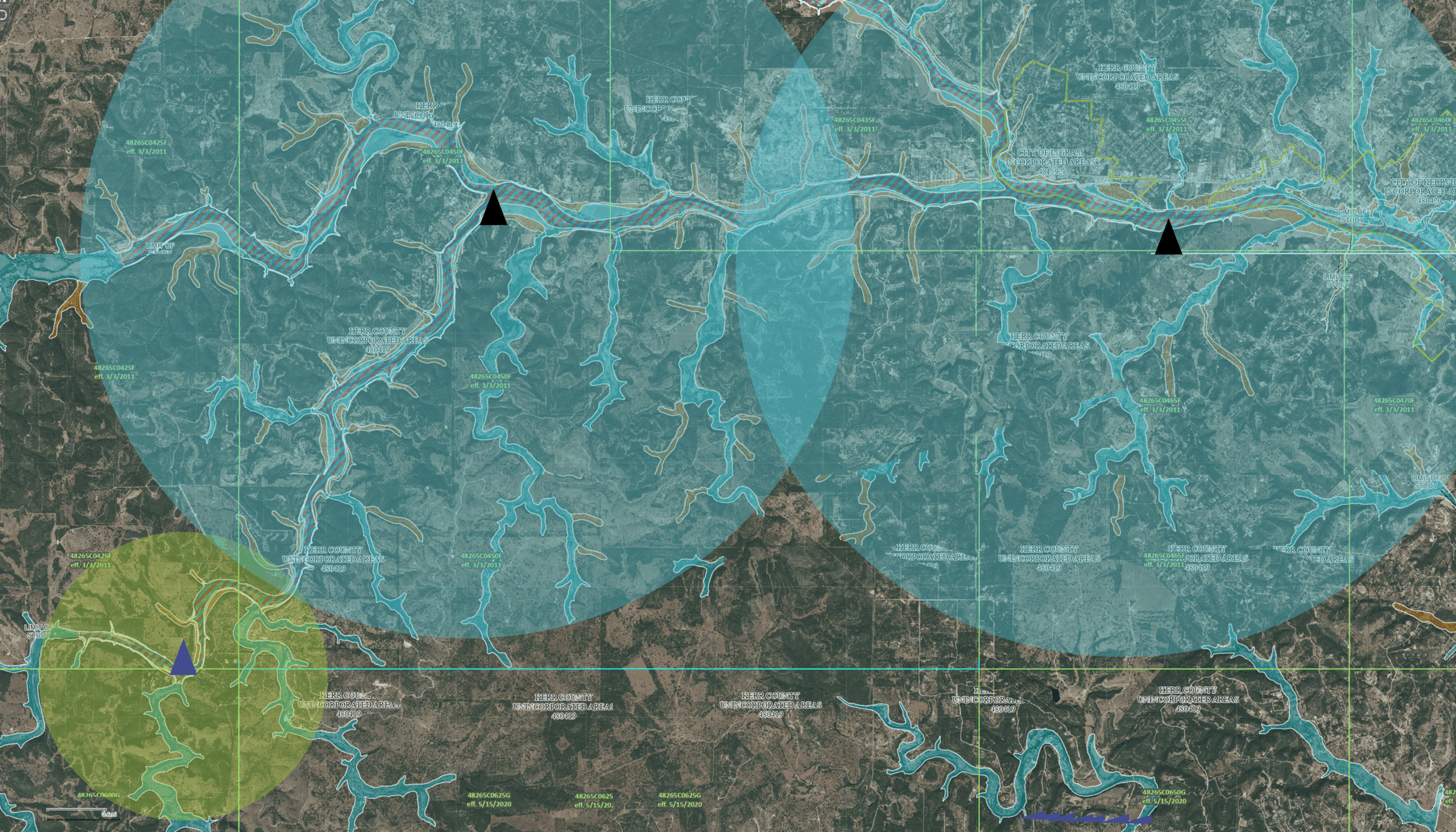
A shared, map-based common operating picture allows all participating agencies to view the same real-time information. This reduces duplication, eliminates silos, and enables faster interpretation of evolving conditions without overwhelming leadership.
How Genasys Helps Leaders Stay Focused When It Matters Most
Genasys brings these best practices together within a single, intuitive platform designed to reduce cognitive overload during complex events. Instead of managing disconnected tools, teams gain one place to view situational awareness, coordinate actions, and deliver clear public messages.
Genasys supports multi-channel communication without forcing staff to switch systems. Leaders can send targeted, consistent messages quickly while maintaining a shared common operating picture across agencies. By unifying alerting, coordination, and situational awareness, Genasys helps teams move away from tool management and back to decision-making.
Final Thoughts – Simplicity Enables Decisive Action
High-profile events will always be complex. The goal is not to eliminate complexity, but to prevent it from overwhelming the people responsible for public safety. Simplified event management reduces cognitive load, shortens decision cycles, and helps leaders act with confidence when seconds matter.
Contact Genasys to request a demo and learn how simplified, unified event management can strengthen safety outcomes at your next large-scale event.
Frequently Asked Questions
What is cognitive overload in event management?
Cognitive overload occurs when decision makers receive more information than they can reasonably process in real time. During large events, this often includes:
- Simultaneous radio traffic from multiple agencies
- Incoming alerts, intelligence updates, and field reports
- Media inquiries and political pressure
- Rapidly changing conditions on the ground
This is exacerbated by information coming in from many different channels which makes it difficult to piece everything together. When overload occurs, leaders may hesitate, delay alerts, or issue inconsistent instructions.
Why do communication failures happen during planned events?
Most large event failures are not caused by missing plans or inadequate staffing. They happen because:
- Information arrives faster than humans can interpret it
- Data is spread across too many tools and channels
- Leaders must manually create situational context under pressure
After-action reports often label these breakdowns as “communication issues,” but the root cause is usually system complexity and cognitive strain.
How can agencies reduce cognitive overload during large events?
Agencies can reduce cognitive load by simplifying how information is shared and decisions are made, including:
- Establishing Unified Command with clearly delegated authority
- Consolidating communications and interoperability tools before the event
- Using pre-approved protocols and messaging templates
- Deploying a shared, map-based common operating picture
These practices help leaders focus on decisions instead of managing tools.
Why is a common operating picture critical for event safety?
A common operating picture ensures all participating agencies view the same real-time information. This helps:
- Eliminate conflicting interpretations of conditions
- Reduce duplicate reporting and manual coordination
- Speed up decision-making during rapidly evolving situations
When leaders and staff operate from a shared visual understanding, situational awareness improves and cognitive overload is reduced.