










By Jeff Halstead, Ret. Chief of Police, Fort Worth, TX
Key Takeaways:
- When East Coast agencies think about evacuations, they usually picture hurricane-scale population movements, but smaller block, building, and neighborhood evacuations happen far more often throughout the year.
- Modern evacuation tools help handle both big events and everyday incidents by making it easier to move only the people at risk, send clear instructions fast, and avoid turning every situation into a major operation.
- Using the same communication systems for routine issues (road closures, utility work, missing-person alerts) builds muscle memory for public safety professionals and community trust so that, when a real evacuation is needed, people recognize the messages and respond quickly.
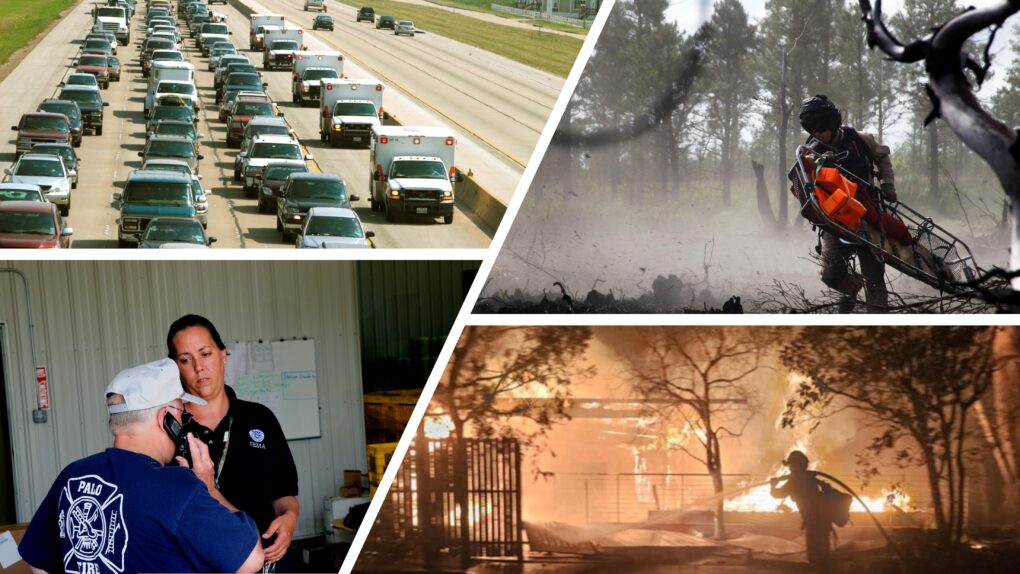
Evacuation is often viewed through the lens of major hurricanes and weather events sweeping the Atlantic shoreline, especially by East Coast law enforcement agencies. Yet, today’s reality demands a broader viewpoint.
Flooding, wildfires, active-shooter situations, and localized threats are expanding the definition of “evacuation” beyond the mega storm scenario. For agencies on the East Coast, the ability to manage evacuations, large and small, directly correlates with their ability to protect their communities. Doing that requires integrated communications tools, real-time coordination, and precision alerting.
From Large-Scale to Tactical Evacuations
Historically, evacuation management systems were tested in large-scale use cases: major hurricanes, widespread flood zones, and mass wildfire spread.
For East Coast agencies, hurricanes still set the bar for evacuation planning. But day to day, the work looks very different. Teams clear a block after a bomb threat, move people out of the path of an unfolding shooting scene, issue rapid zone-based alerts during a missing-person search, or redirect residents around a gas leak. These tactical evacuations unfold fast, in tight spaces, and they rely on tools that can keep up.
Genasys Protect gives first responders and law enforcement the capability to create actionable evacuation management scenarios across agencies and areas using pre-defined intelligent zones to send targeted messaging and engage the public via a public-facing mobile app and web portal. By drawing that line from large-scale readiness to on-the-ground tactical operations, East Coast law enforcement can be positioned not only for hurricanes, but for the daily risk and notification environment.
Genasys Protect’s Role in Precision Evacuation Management
Smart Zone Definition and Real-Time Alerts
At the core of today’s evacuation management is the ability to define geographic zones precisely and send tailored messages to those zones. Genasys Protect includes “intelligent zones” that can be built, edited, or triggered on the fly, which is critical when a threat emerges on a single block or neighborhood.
For example, if a bomb threat demands a block or neighborhood-level evacuation, responders can send push alerts via the mobile app to impacted residents within an established zone and include updated road closures, gathering points, or other pertinent information.
Multi-Channel Engagement for the Public, Responders, and Stakeholders
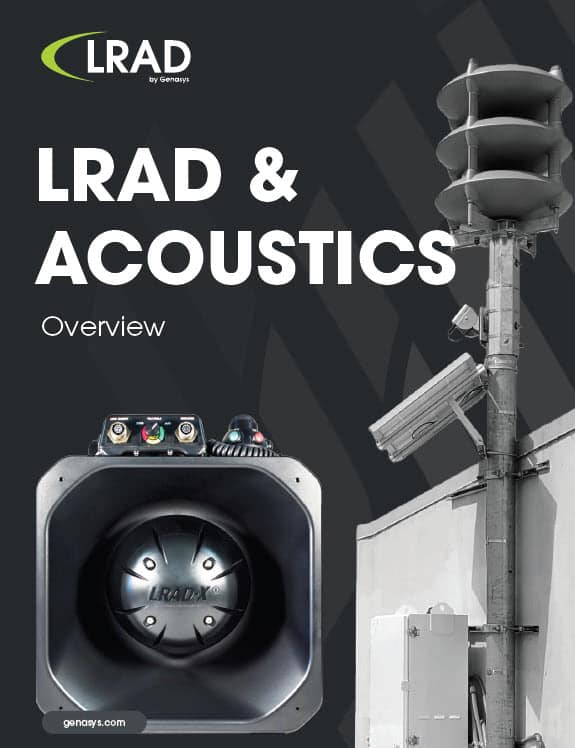
Evacuation communications must reach multiple audiences, from law enforcement personnel to emergency managers to local media to the public. Genasys Protect supports multi-channel engagement via SMS, mobile app push, social media, radio/TV, digital signage, and even outdoor voice messages via Genasys Acoustics or LRAD systems when warranted.
For a shooting incident requiring rapid movement of citizens away from a zone, the agency can alert the public via the Protect app, plus a simultaneous SMS and social media push, while internal responder teams coordinate through cross-agency chat using Genasys Evertel’s compliant messaging app.
A Public-Facing App to Empower Citizens & Build Trust
For the public, the mobile app becomes a direct lifeline when evacuations occur. Genasys Protect allows public users to see interactive maps, get real-time updates on evacuation routes, shelter locations, and road closures. By providing transparency and real-time guidance, law enforcement agencies build resilient communities and strengthen trust for the long term.
Strategic Implications for East Coast Law Enforcement
- Expand the evacuation mindset – Recognize that evacuations aren’t just hurricane-scale; they can be street-level, incident-specific, zone-based. By embracing that broader definition, agencies upgrade readiness.
- Adopt tools built for all-hazards – Target zone-based messaging, multi-channel outreach, and public-facing apps add precision that saves time, reduces unnecessary disruption, and keeps citizens better informed.
- Bridge public communication and responder coordination – Evacuations demand unified action between law enforcement, emergency management, and citizens. Genasys Protect provides a common operating picture and collaborative workflows that ensure everyone is moving in sync.
- Ensure day-to-day usage builds readiness – Systems used only for rare events risk being unfamiliar when an urgent situation arises. By integrating Genasys Protect into daily operations, like routine notifications and communications, agencies build muscle memory that boosts preparedness.
- Engage community to adopt the mobile app – Citizens are more likely to respond effectively when they receive notifications via an app they trust and use.
Final Thoughts
For East Coast law enforcement agencies, effective evacuation management can no longer rely solely on broad-scale plans for hurricanes. The evolving threat landscape of floods, wildfires, shootings, missing-person zones and localized hazards demands a communications platform built for precision, speed, and public engagement.
With Genasys Protect, agencies can define intelligent zones, send targeted multi-channel alerts, engage citizens through a mobile app, and integrate day-to-day operations with emergency readiness. By shifting from a monolithic evacuation mindset to a tactical, flexible model, East Coast law enforcement can meet the evolving demands of 21st-century public safety—and ensure they’re Ready when it matters®.