










By Adam Stewart, Product Marketing, Genasys Inc.
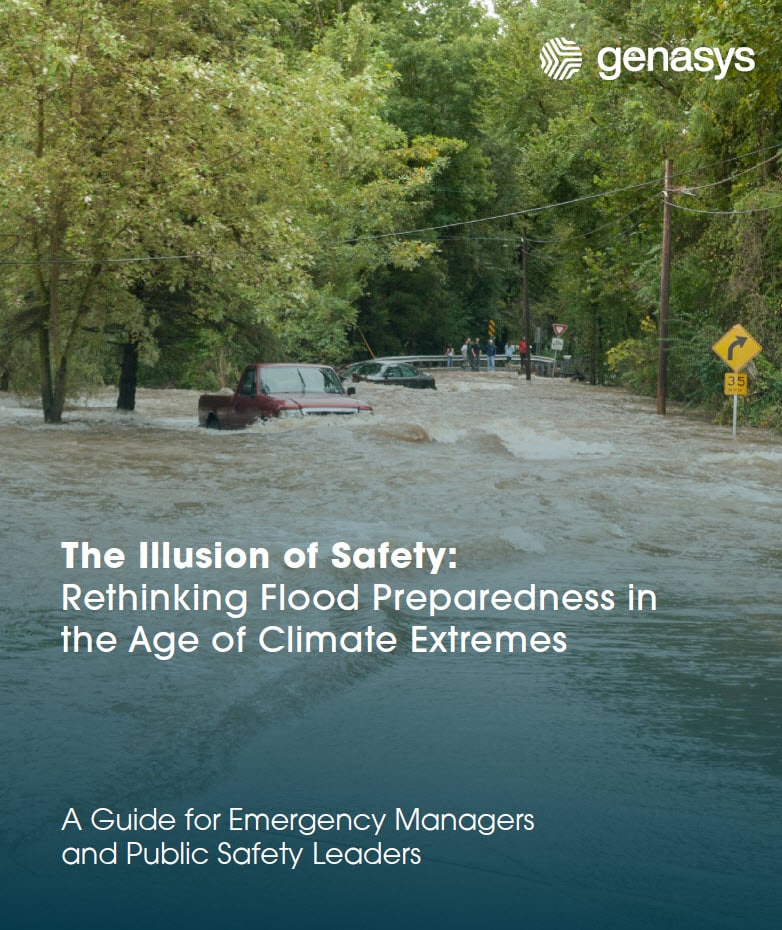
When floods come in the dead of night, warning systems can make the difference between life and death. The floods across the United States last year, including those in Alamance, Orange, Chatham and Durham Counties in North Carolina (right where I live, making this very personal) underscored a painful truth: many people never received a clear warning before the waters rose. And while, compared to the recent Texas storms, the loss of life was very low, any preventable loss of life is unacceptable. In North Carolina, we were expecting some thunderstorms and “locally heavy rain” from Tropical Storm Chantal. We weren’t expecting historic flooding, as the Haw and Eno Rivers set all-time records.
Key Takeaways
1. Clarity Drives Action
Tone-based sirens create awareness but not understanding. Long-range acoustic systems deliver clear voice instructions that tell residents exactly what is happening and what to do, reducing hesitation during fast-moving flood events.
2. Reliability During Infrastructure Failure
Flooding often disrupts power and cellular networks. Acoustic systems with battery backup, solar power, and satellite connectivity continue operating when other communication channels fail.
3. Targeted and Wide-Area Coverage
Acoustic systems provide both 360-degree mass notification and directional messaging, allowing emergency managers to reach entire communities or specific flood-prone zones with precise, actionable instructions.
Traditional Sirens

Click the siren for an example
The most common response to a siren is hesitation. “Is this a tornado? A flood? Should I evacuate or shelter?” Many go outside to investigate.
Genasys Acoustics

Click the Acoustic device for an example
“Flood waters are rising. Immediate danger. Move to higher ground now.” leaves no room for interpretation or wasted time guessing.
Traditional, Tone-Based Sirens Fall Short in Real Emergencies
While it is still unclear when or where tone-based sirens sounded, one fact remains heartbreakingly clear: When sirens do go off, most people do not know what to do. A siren’s tone can alert, but it cannot explain. I know personally if I ever hear a blaring siren go off, I don’t act. I’m just puzzled (and often, my first instinct is “tornado”). Many people just go outside to look. Of course, if sirens had sounded in NC during the flooding, it would have been doubly confusing given the multiple tornado touchdowns during the storm.
What alerting must accomplish in an emergency is speed and clarity.
That is the difference Genasys Acoustics can make. These long-range acoustic systems do not rely on ambiguous tones. They broadcast crystal-clear voice messages that tell people exactly what is happening and what they need to do. A message like “Flood waters are rising. Immediate danger. Move to higher ground now” leaves no doubt. It cuts through confusion, breaks through sleep, and sparks immediate action. It’s not ignored (or unheard) like a cell phone alert in the middle of the night. And the message hits with clarity, not apathetic confusion.
Traditional sirens leave people with questions. Is this a tornado? A fire? Should I evacuate or shelter in place? Long-Range Acoustic systems replace questions with clarity. They deliver the facts, spoken aloud so that everyone can understand, even from over a mile away. It commands attention in crowded neighborhoods and rural stretches alike.
These systems are designed for reliability in harsh conditions. With satellite connectivity, battery back-up, and solar power, they keep working even when power lines fail or cell networks go down. In flood emergencies, when minutes can mean everything, dependable voice alerts mean communities are not left guessing. They are given a chance to act.
As communities everywhere reassess how they prepare for natural disasters, Long-Range Acoustics offer a proven way forward. They empower emergency managers to communicate directly with people in harm’s way, not with vague warnings but with clear, direct messages that save lives. Every town, city, and region vulnerable to flooding deserves that advantage.
Looking ahead, the choice is simple. We can keep relying on outdated sirens (or nothing at all) that leave people uncertain and at risk. Or we can invest in advanced warning systems that make sure every person hears and understands the threat in time to escape, saving lives.
This is not just about technology. It is about honoring lives by protecting them. It is about giving families the chance to wake up, respond, and survive. And it is about making sure that in future floods, no one is left wondering what a siren means in the moments when clarity matters most.
Genasys Acoustics
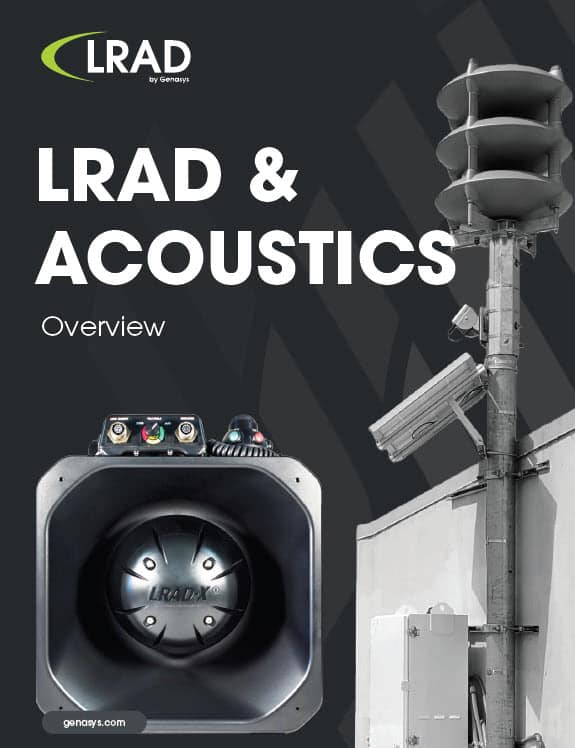
Genasys Acoustics systems include some of the most powerful and reliable devices available for public safety. The 360 (including the XT and XL) and the DS-60 are two flagship models designed to give communities the reach and clarity they need when every second counts.
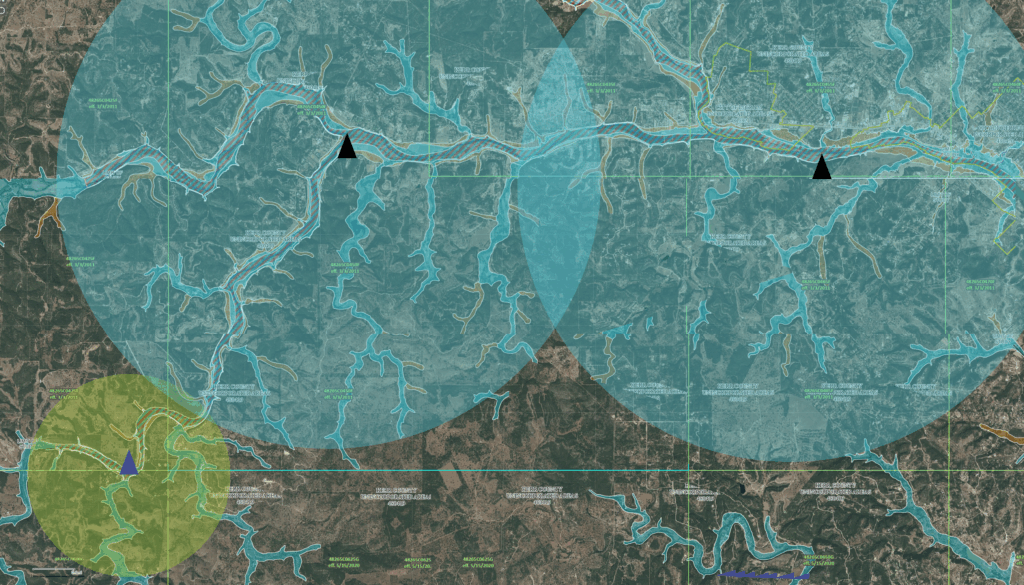
The 360 models are modular and fully integrated acoustic mass notification systems, and flexible installations include mobile trailers for rapid temporary deployment or fixed poles/rooftops. With a powerful range of up to 1.4 miles in all directions, the 360 series delivers customizable traditional siren tones followed by crystal-clear, intelligible voice messages that remain understandable even at the maximum range. The 360 design blends into the horizon for a sleek and favorable aesthetics making it adaptable for cities, towns, and emergency response agencies. IP standard connection with redundant satellite connectivity and solar power options, the 360X series will continue to operate when local power and communication networks fail.
The DS-60 is a directional acoustic device designed for targeted communication over long distances. With a range of up to 1.2 miles in a focused direction, the DS-60 allows emergency managers to direct messages precisely where they are needed. Its highly intelligible voice output ensures that instructions are understood clearly, whether aimed at a riverfront community, a crowded evacuation route, or a remote rural area. The DS-60 is compact enough for mobile deployment yet powerful enough for permanent installations, giving agencies flexibility based on their risk profile and geography.
Both systems are built with reliability, clarity, and resilience in mind. They penetrate buildings, reach sleeping residents, and function during critical moments when traditional communication channels break down. Whether mounted along flood-prone rivers, in city centers, or deployed in the field during emergencies, the 360 series and DS-60 help ensure no one is left uninformed when danger is near.
These are not just warning devices. They are life-saving tools that empower communities to act with confidence and clarity before disaster strikes.
Genasys Protect
The future of flood preparedness is not just sounding alarms. It is making sure people know exactly what those alarms mean and what they need to do. With Genasys, we can help make that future safer for everyone. In addition to Acoustics, the Genasys Protect platforms is already saving lives across the nation. Genasys Protect is the leading zone-based, geo-targeted communication solution for all hazards, including floods. And our partnership with FloodMapp is just accelerating the technological advancements that are already available to save lives. Let’s do what we can do prevent the horror stories and loss of life in our communities.
During the winter, more than ten California counties, including Los Angeles, Humboldt, and Santa Cruz, used the Genasys Protect platform to respond to severe flooding, mudslides, and storm surges caused by atmospheric river storms. With Genasys Protect and Acoustics, agencies coordinated across departments, issued evacuation alerts, routed first responders, and reached residents even when power and cell networks failed, helping reduce loss of life during one of the most extreme flood seasons in the state’s history.
To learn how your community can strengthen its flood preparedness and protect more lives, visit genasys.com/floods.
Frequently Asked Questions
1. Why are traditional sirens not effective for flood emergencies?
Traditional sirens emit tones that signal danger but do not explain the threat. During floods, residents need immediate clarity. Voice-based acoustic systems provide specific instructions such as communicating evacuation warnings or moving to higher ground, eliminating guesswork and confusion.
2. How do acoustic systems improve flood preparedness?
Acoustic systems enhance flood preparedness by:
- Delivering clear voice instructions across wide areas
- Reaching residents indoors and asleep
- Operating during power outages
- Supporting both permanent and mobile deployment
This combination improves response time and increases the likelihood of protective action.
3. Can long-range acoustic systems function during power outages?
Yes. Modern acoustic systems are built with battery backup, solar power capabilities, and satellite connectivity. This ensures functionality even when local power grids and cellular networks are compromised by flooding.
4. How far can flood warning acoustic devices reach?
Depending on the model and deployment:
- 360-degree systems can reach up to approximately 1.4 miles in all directions
- Directional systems can project intelligible voice messages up to approximately 1.2 miles in a focused path
This allows coverage of riverbanks, neighborhoods, evacuation routes, and rural communities.
5. Where should acoustic systems be installed for flood protection?
Best practice placement includes:
- Flood-prone river corridors
- Low-lying neighborhoods
- Coastal surge zones
- Evacuation routes
- Urban centers with high population density
Strategic positioning ensures that residents in the most vulnerable zones receive immediate, actionable instructions.