
University of California, Irvine


Situation
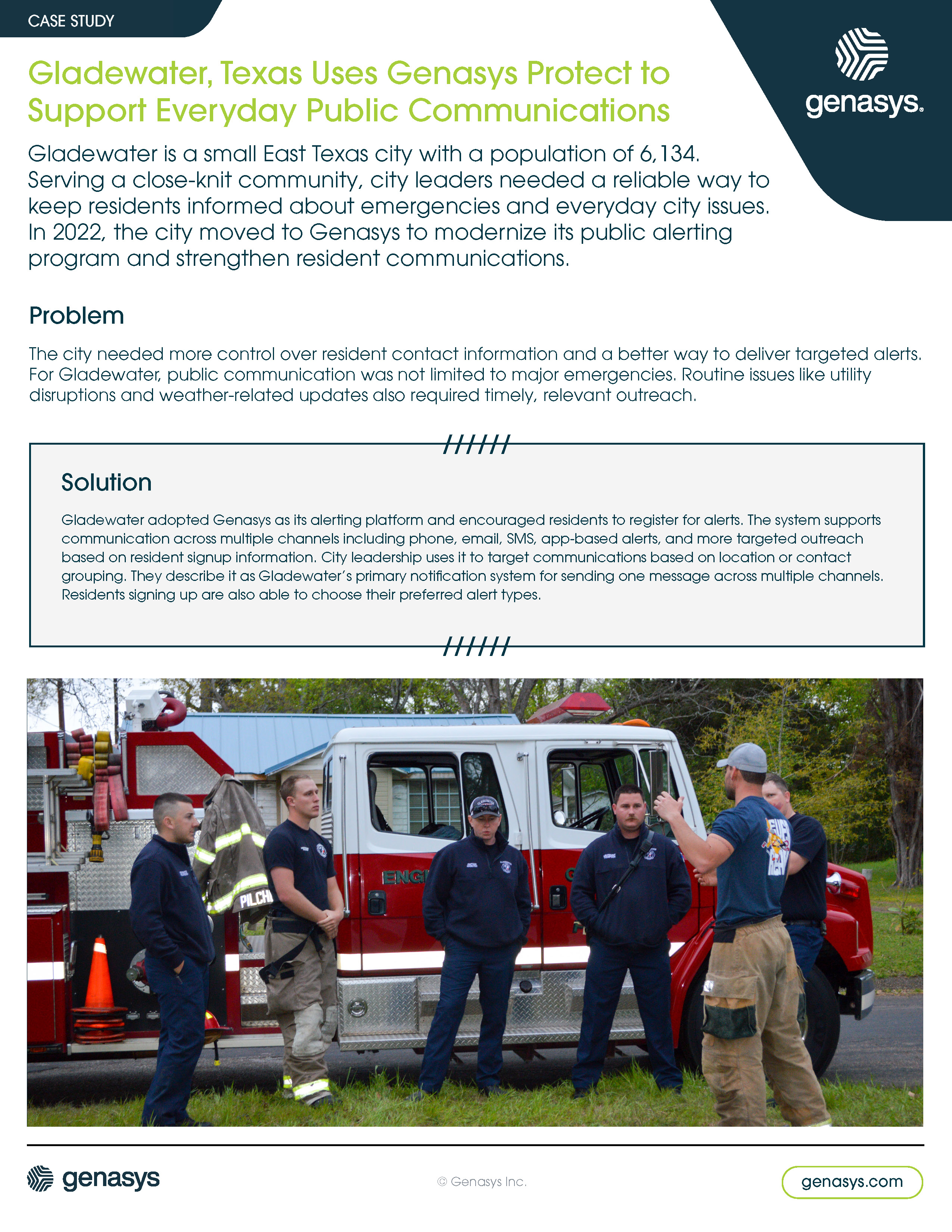
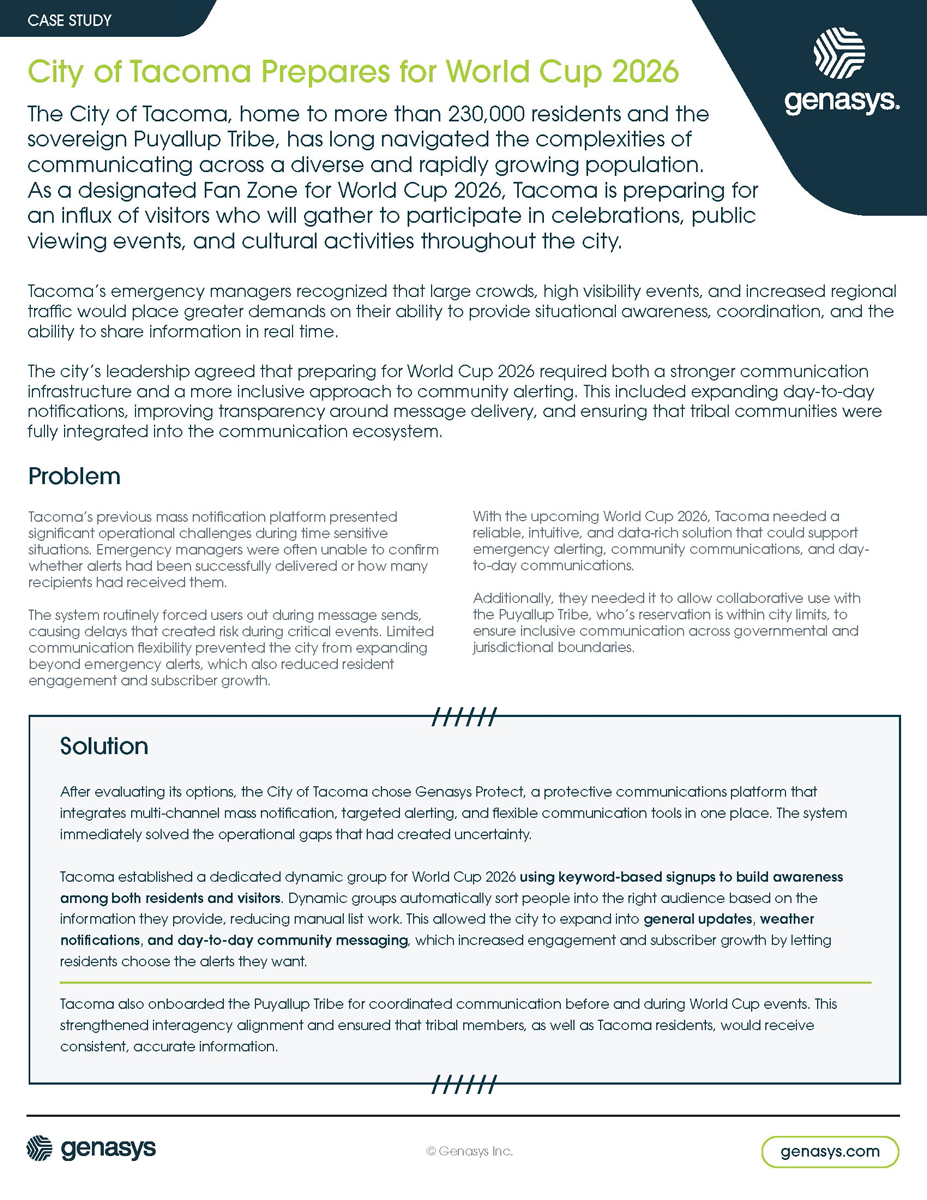
The University of California, Irvine (UCI) is part of California's world-class university system and a global leader in higher education. The university enrolls approximately 37,300 students (including 30,200 undergraduate students and 7,100 graduate students) across a 1,580-acre campus. With a reputation for academic excellence, innovation, and public service, UCI balances its role as a premier research institution with the responsibility of protecting its students, faculty, staff, and visitors.
The campus environment is diverse and complex. With multiple colleges, including Medicine, Social Sciences, Engineering, and Biological Sciences, as well as residence halls, libraries, administrative centers, and a large research park, UCI required a communication system capable of reaching all corners of its expansive infrastructure.
Solution
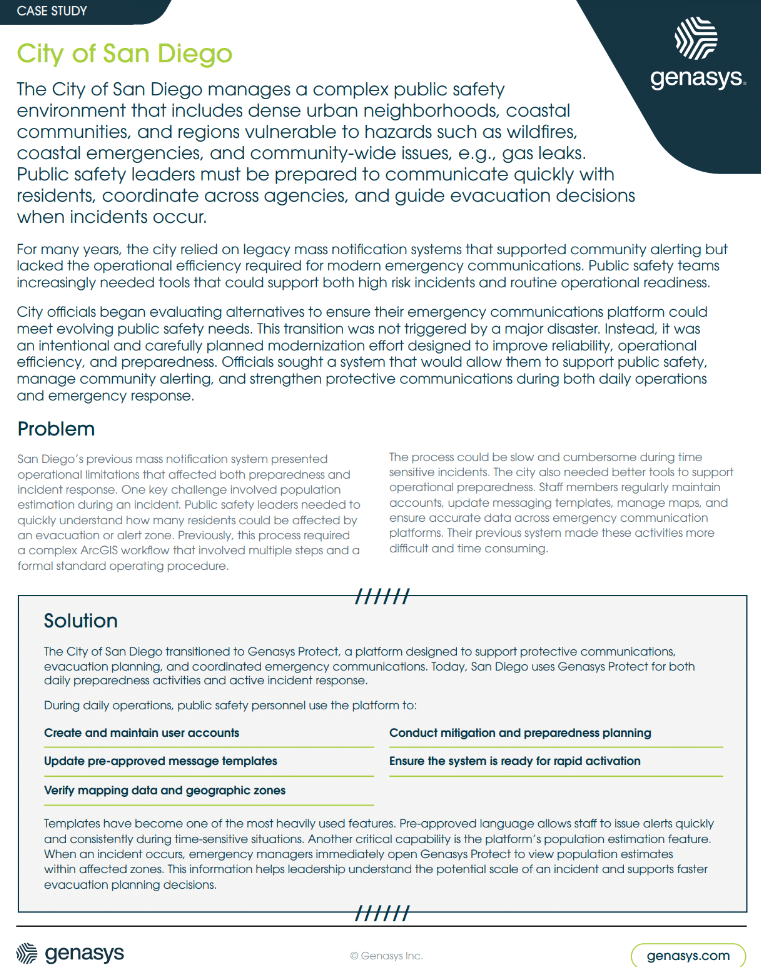
To address these challenges, UCI deployed protective communications solutions integrating Genasys Protect, Acoustics, and LRAD systems. Together, these technologies deliver seamless mass notification and protective communications across the campus.
- Acoustics & LRADs: Deliver long-range voice messages that cut through noise, ensuring people in outdoor areas, buildings, and vehicles hear and understand alerts and instructions.
- Zone-Based Communication: Targeted alerts for evacuation, shelter-in-place, and repopulation, reducing notification time by up to 90%.
- Data-Driven Coordination: Integrates road closures, shelters, and key facilities into a common operating picture for faster decisions.
- Real-Time Public Updates: Keeps students, staff, and visitors informed through the app and website.
By implementing both hardware and software, UCI gained the flexibility to address emergencies ranging from localized incidents to campus-wide events.
Problem
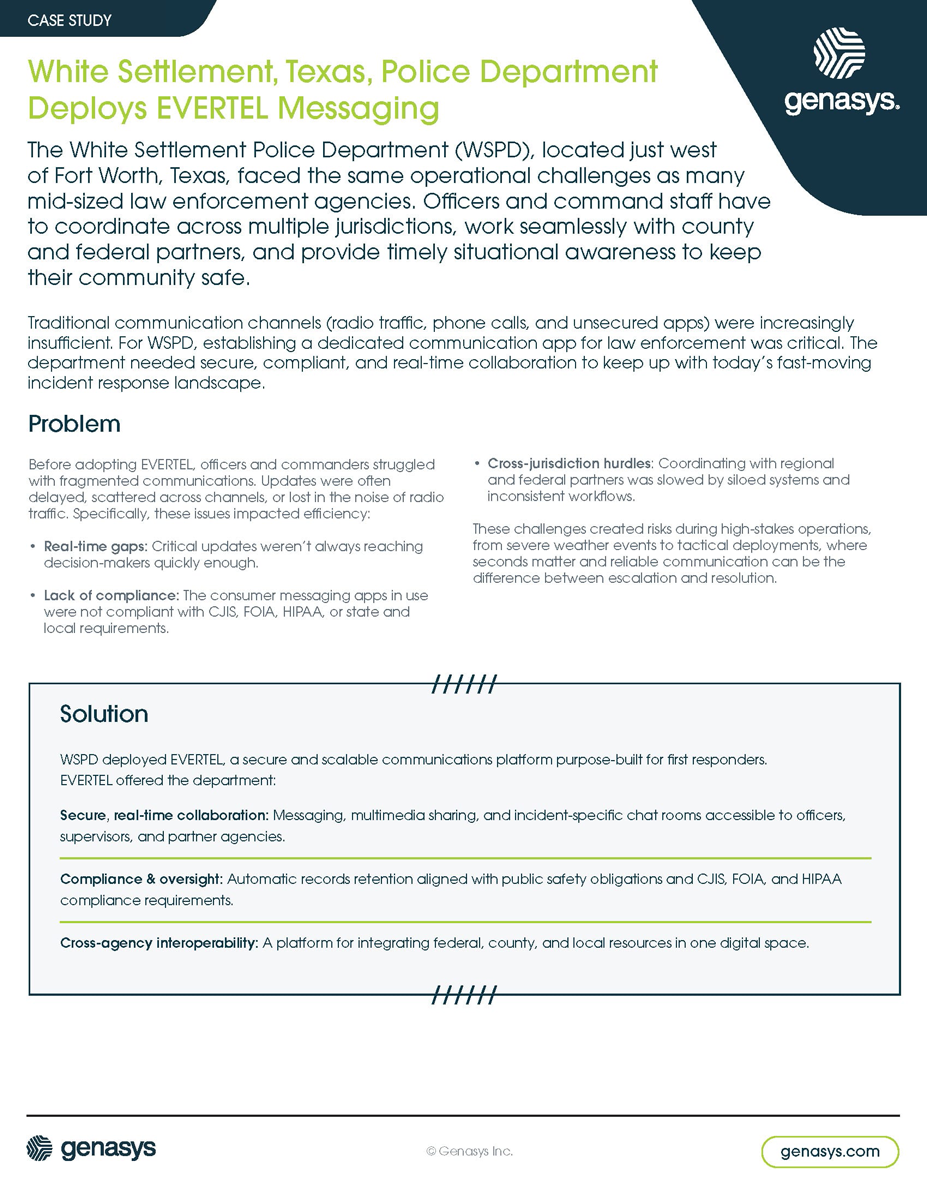
Like many universities nationwide, UCI faced increasing concerns around campus safety. From protests and demonstrations to active shooter threats and natural hazards, university leaders recognized the limitations of existing communications infrastructure. The primary challenges included:
- Mass notification limitations: Legacy systems did not guarantee message delivery to the entire campus population in real time.
- Complex geography: Multiple areas, including academic, residential, and research, demanded tailored communication strategies.
- Growing security risks: Rising national incidents underscored the urgency for a scalable, reliable solution for emergency communications.
In short, UCI needed a comprehensive protective communications platform that could alert the public, aid in evacuation management, and ensure fast, actionable responses during any crisis.
Results
The results of UCI's adoption of Genasys Protect, Acoustics, and LRADs provided:
- Real-time communication for thousands of students, faculty, and staff who can now be reached simultaneously, ensuring critical instructions are never delayed.
- From residence halls to research facilities, campus-wide coverage guarantees message delivery.
- Genasys Protect gives administrators targeted evacuation planning tools to control and isolate specific zones, minimizing disruption while maximizing safety.
- Advanced emergency communications reinforces UCI's commitment to protecting its community while maintaining its global standard of academic excellence.
Through Genasys Protect, Acoustics, and LRADs, the University of California, Irvine has strengthened its ability to safeguard its diverse campus, creating a safer, more resilient environment for learning, research, and innovation.